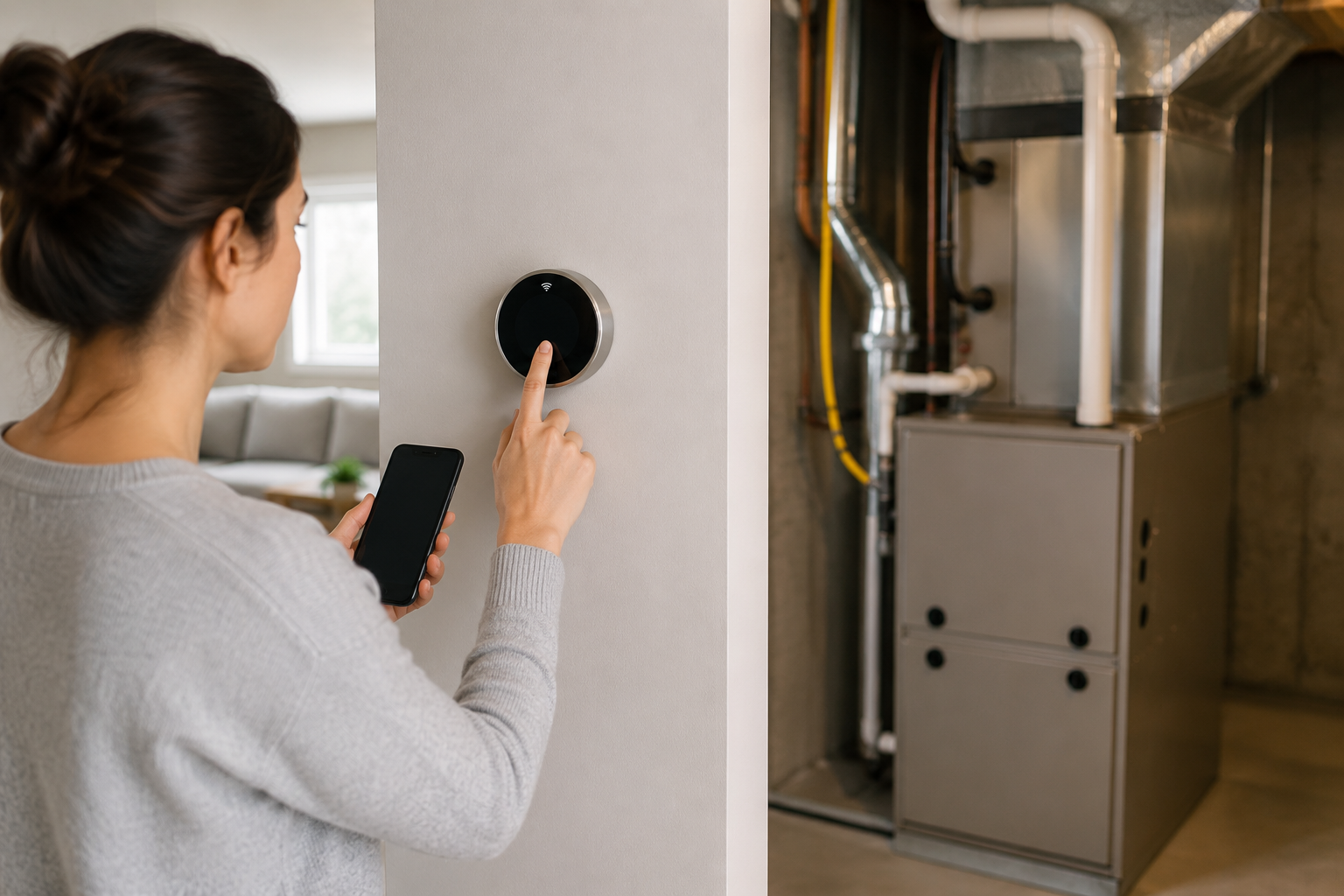
Ever wonder what happens during a furnace tune-up? This guide covers the full checklist, from inspection to cleaning, ensuring your system runs efficient...
Why Is My Furnace Making A Loud Noise?
 It’s a sound no homeowner wants to hear in the middle of a cold night: a sudden, unusual noise coming from the basement. If you’re asking, Why is my furnace making a loud noise?, you’re not alone. Importantly, these sounds are often your heating system’s way of signaling a problem that needs attention. Ignoring them can lead to more significant damage or even a complete system failure. This guide will help you decipher those strange sounds and understand what steps to take next.
What Are the Most Common Furnace Noises and What Do They Mean?
Different noises point to different problems. Therefore, identifying the specific sound your furnace is making is the first step toward a diagnosis. While some issues are minor, others can indicate a serious safety hazard. Pay close attention to the type of sound you’re hearing.
Banging or Booming
A loud bang or boom, especially when the furnace first kicks on, is alarming. This is often caused by delayed ignition. Specifically, gas builds up in the combustion chamber before it ignites, causing a small, contained explosion. This puts unnecessary stress on your furnace’s heat exchanger, which can lead to cracks and dangerous carbon monoxide leaks. Consequently, this is a sound that demands immediate professional attention.
Scraping or Grinding
A metallic scraping or grinding sound frequently points to a problem with the blower wheel. The wheel may have come loose from the motor shaft, or the motor mount itself could have failed, causing the wheel to hit the blower housing. Another possibility is a worn-out or failing motor bearing. In any case, you should turn off your furnace to prevent further damage and call a technician.
Whistling or High-Pitched Squealing
High-pitched squealing or whistling can have several sources. For example, it could be a simple issue like a clogged air filter restricting airflow, forcing air to whistle through small gaps. It might also indicate a problem with the blower motor’s belt or bearings. Furthermore, leaks in your ductwork can also produce a whistling sound. Replacing the filter is a good first step, but if the noise persists, professional inspection is necessary.
Answering the Question: Why Is My Furnace Making a Loud Noise?
Beyond the common sounds, the core reason you’re asking why is my furnace making a loud noise? boils down to mechanical issues that require a closer look. These problems range from simple fixes to complex repairs that should only be handled by a qualified HVAC professional. Understanding the underlying cause is crucial for a safe and effective solution.
Here are some of the most frequent culprits:
- Blower Motor Issues: As mentioned, the bearings in the blower motor can wear out over time, leading to squealing or grinding. If the motor itself is failing, it can create a loud humming or buzzing noise.
- Loose Components: Over years of operation, parts like access panels, screws, or even the blower assembly can become loose, causing rattling or vibrating sounds. While tightening a panel is simple, internal loose parts are a different story.
- Ignition System Problems: For gas furnaces, problems with the pilot light or electronic ignition can cause the booming sound of delayed ignition. This is a significant safety concern. According to the U.S. Department of Energy, proper maintenance is key to ensuring safe and efficient operation.
- Ductwork Problems: Your air ducts can also be a source of noise. Undersized or poorly sealed ducts can create whistling sounds. Additionally, the expansion and contraction of metal ducts as they heat and cool can cause popping or banging noises.
DIY Troubleshooting vs. When to Call a Professional
While some furnace noises are concerning, not all of them require an immediate emergency call. However, knowing the difference is vital for your safety and your wallet. Some noises are clear indicators that you need expert help right away.
You can safely perform a few checks yourself. First, inspect and replace your air filter if it’s dirty, as this can solve many airflow-related noises. Second, ensure all your vents and registers are open and unobstructed. A visual inspection to confirm access panels are secure is also a good idea. In contrast, any sounds like loud banging, grinding, or a persistent smell of gas are non-negotiable signs to shut down the system and seek emergency furnace repair immediately.
The Importance of Regular Maintenance
The best way to deal with furnace noises is to prevent them from happening in the first place. Regular, professional maintenance is the most effective strategy. During a tune-up, a technician will clean, inspect, and lubricate all the moving parts of your furnace. This process helps identify and fix small issues before they escalate into loud, expensive problems. For homeowners still wondering, why is my furnace making a loud noise?, the answer is often a lack of consistent upkeep. Scheduling an annual service can extend the life of your unit and ensure it runs quietly and efficiently. You can learn more about the benefits by exploring how often you should have your furnace serviced.
Final Thoughts on Furnace Noises
A noisy furnace is more than just an annoyance; it’s a critical warning sign. By identifying the type of sound—be it a bang, scrape, or whistle—you can better understand the potential problem. While simple fixes like changing a filter are within reach for most homeowners, most furnace repairs require professional expertise to ensure safety and correctness. Never hesitate to turn off your system and call for help if you suspect a serious issue. For peace of mind and a quiet, warm home, contact a trusted HVAC professional to diagnose and resolve the problem today.
Related Posts