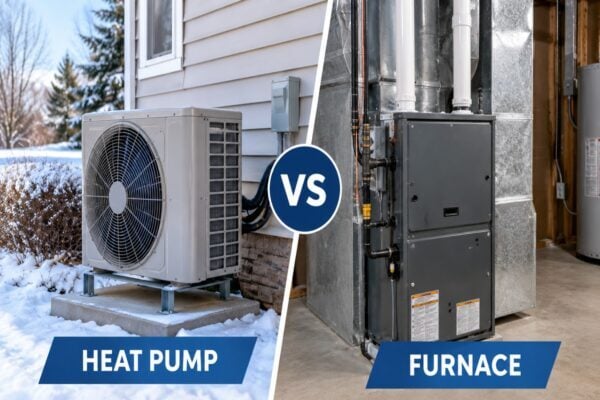
Every fall, homeowners ask us the same question: should the next heating system be a…
What Is Included In Seasonal Hvac Maintenance?
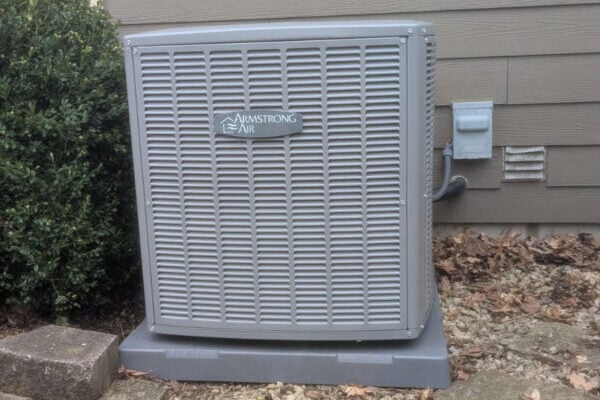 Understanding what is included in seasonal HVAC maintenance is the first step toward protecting your home’s most critical system for comfort and air quality. Proactive care isn’t just about preventing breakdowns; it’s a strategic investment in efficiency, longevity, and peace of mind. Consequently, scheduling biannual tune-ups—one for your cooling system in the spring and one for your heating system in the fall—ensures your equipment operates safely and at peak performance year-round. This guide breaks down the essential tasks a professional technician performs during these crucial service appointments.
Why Proactive Maintenance is a Smart Investment
Investing in regular HVAC service prevents costly emergency repairs and extends the lifespan of your equipment. For example, a well-maintained system runs more efficiently, which directly translates to lower monthly energy bills. The U.S. Department of Energy suggests that routine maintenance can save up to 30% on energy costs. Furthermore, technicians can identify and address minor issues before they escalate into major system failures, saving you from unexpected expenses and uncomfortable downtime. Importantly, consistent service also ensures the system operates safely, checking for issues like carbon monoxide leaks in furnaces or electrical faults in air conditioners. Ultimately, the small cost of a tune-up provides a significant return through enhanced performance and durability.
Spring/Summer Air Conditioning Maintenance Checklist
As warmer weather approaches, preparing your air conditioner is essential for a cool and comfortable summer. A spring tune-up focuses on cleaning the system after a long period of inactivity and verifying its operational readiness. A technician will perform a comprehensive series of checks on both the indoor and outdoor components.
Exterior Unit Inspection and Cleaning
The outdoor condenser unit is exposed to the elements year-round, accumulating dirt, leaves, and debris that can hinder its performance. A technician’s checklist typically includes:
- Cleaning the Condenser Coils: Dirty coils cannot dissipate heat effectively, forcing the system to work harder. Therefore, a thorough cleaning is a top priority.
- Checking the Fan Motor and Blades: The fan must be in good condition to move air across the coils. The technician will inspect for damage and lubricate moving parts as needed.
- Clearing Debris: Removing leaves, grass clippings, and other obstructions from around the unit ensures proper airflow, which is critical for efficiency.
- Inspecting Electrical Connections: Tightening and inspecting all electrical connections prevents failures and ensures safe operation.
Interior Unit and System-Wide Checks
Inside your home, the focus shifts to the air handler and the overall system’s performance. These tasks are crucial for both cooling power and indoor air quality.
- Checking Refrigerant Levels: An incorrect refrigerant charge can drastically reduce efficiency and even damage the compressor. A technician will measure the levels and make adjustments if necessary, which can help prevent issues like a frozen AC unit.
- Cleaning or Replacing the Air Filter: A clogged filter restricts airflow, reduces efficiency, and worsens indoor air quality. This is a simple but vital step.
- Inspecting and Cleaning the Condensate Drain Line: Algae and sludge can clog the drain line, leading to water damage and system shutdowns. Flushing the line prevents this common problem.
- Calibrating the Thermostat: Ensuring the thermostat is reading the temperature correctly and communicating properly with the HVAC system is key to consistent comfort.
Fall/Winter Furnace Maintenance Checklist
Before the cold sets in, a furnace tune-up is critical for safe and reliable heating. This service focuses on the combustion process, safety controls, and mechanical components to ensure your furnace is ready for winter. Knowing the details of a comprehensive furnace tune-up helps you understand the value provided.
A Deeper Look at What is Included in Seasonal HVAC Maintenance for Heating
A professional heating tune-up goes far beyond a simple filter change. Specifically, it involves a detailed inspection of components responsible for generating and distributing heat safely throughout your home. This process is fundamental to preventing unexpected failures during the coldest months of the year.
- Inspecting the Heat Exchanger: The technician will carefully check the heat exchanger for cracks or corrosion, which could lead to dangerous carbon monoxide leaks. This is arguably the most important safety check.
- Cleaning and Adjusting Burners: Clean burners ensure an efficient and clean combustion process, maximizing fuel use and preventing soot buildup.
- Checking the Flue and Ventilation: Proper ventilation is essential to safely exhaust combustion gases. The technician will inspect the flue pipe for any blockages or leaks.
- Testing Safety Controls: This includes testing the high-limit switch and other safety circuits that prevent the furnace from overheating.
- Inspecting the Blower Motor: The technician will check the blower motor’s amperage draw and clean the components to ensure it can effectively circulate warm air.
What Are the Risks of Skipping Regular Tune-Ups?
Ignoring your HVAC system can lead to a cascade of negative consequences. Firstly, your energy bills will almost certainly increase as the system’s efficiency declines. Dirty coils, clogged filters, and poorly lubricated parts all force the equipment to consume more power to achieve the same results. Secondly, you face a much higher likelihood of a sudden breakdown, often during extreme weather when you need your system most. Moreover, these emergency repairs are typically far more expensive than the cost of a preventative maintenance visit. Neglecting your system also shortens its operational lifespan, forcing a premature and costly replacement. Finally, you risk your family’s safety, as issues like cracked heat exchangers or faulty wiring can go undetected. Understanding what is included in seasonal HVAC maintenance highlights how these checks directly mitigate such risks.
Final Thoughts on Your HVAC Health
In summary, seasonal HVAC maintenance is a comprehensive service designed to ensure your system’s efficiency, reliability, and safety. From cleaning coils and checking refrigerant in the spring to inspecting heat exchangers and testing safety controls in the fall, each task plays a vital role. By investing in these biannual tune-ups, you not only lower your energy bills and extend the life of your equipment but also gain invaluable peace of mind. If you are wondering how often to schedule these appointments, the industry standard is once in the spring for your AC and once in the fall for your furnace. Regular, professional care is the single best thing you can do for your home’s comfort system.
Related Posts