Should I schedule annual furnace maintenance? Yes. Learn how it boosts efficiency, lowers bills, and prevents costly breakdowns. Keep your home safe. Con...
What Are The Signs My Furnace Is Failing?
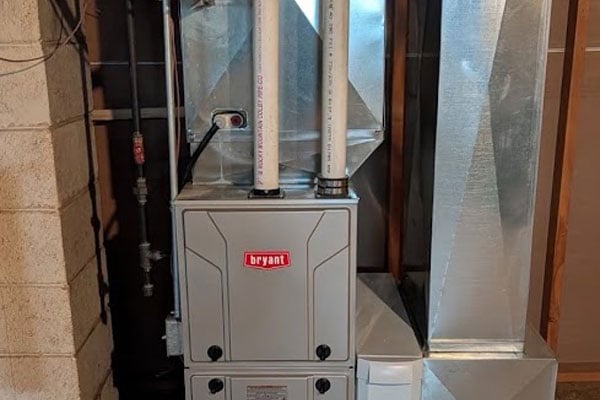 Knowing what are the signs my furnace is failing? is crucial for every homeowner, especially as colder weather approaches. Ignoring the early warnings can lead to a complete system breakdown, costly emergency repairs, and even serious safety hazards. Consequently, being proactive allows you to address issues before they escalate into a mid-winter crisis. This guide will walk you through the most common indicators that your heating system needs professional attention, helping you keep your home warm and safe.
Unusual Noises: Your Furnace is Trying to Tell You Something
One of the most apparent signs of a furnace in distress is the sounds it makes. While a gentle hum during operation is normal, loud and sudden noises are a clear call for help. For example, a banging or popping sound could indicate a problem with your burners or ductwork expanding and contracting. Similarly, a high-pitched squealing might point to a failing blower motor or a loose belt.
Furthermore, rattling noises often suggest that a component has come loose. You should never ignore these auditory warnings. Specifically, if you hear a furnace making a loud noise, it’s best to have a qualified technician investigate the source. Addressing the issue promptly can prevent a minor annoyance from turning into a major component failure.
Key Indicators: What are the signs my furnace is failing?
Beyond strange noises, your furnace’s performance offers many clues about its health. Paying attention to changes in its operation and your home’s comfort level can help you spot trouble early. These signs are often more subtle but are just as important for diagnosing a potential failure.
Rising Energy Bills
A sudden and unexplained spike in your heating bills is a significant red flag. As furnace components wear out, the system loses efficiency. Consequently, it must run longer and work harder to produce the same amount of heat, consuming more energy in the process. If your usage habits haven’t changed but your bills are climbing, it’s a strong indication that your furnace is struggling. An aging or failing unit simply cannot operate at the efficiency level it once did.
Inconsistent Heating and Cold Spots
Does your home have rooms that are noticeably colder than others? Uneven heating is a classic symptom of a malfunctioning furnace. This issue could stem from a variety of problems, including a failing blower motor that can’t circulate air effectively or leaky ductwork that’s losing heat before it reaches the vents. Moreover, if your system is blowing cool air, it could be a sign of an extinguished pilot light or a problem with the gas supply. A properly functioning furnace should provide consistent warmth throughout your entire home.
Frequent Cycling
Frequent or short cycling is when your furnace turns on and off more often than usual. This often indicates a clogged filter restricting airflow, a faulty thermostat, or an oversized unit for your home’s needs. This constant starting and stopping puts excessive wear and tear on the furnace’s components. As a result, it can lead to premature failure and increased energy consumption. If you notice your furnace kicking on and off every few minutes, it’s time to investigate the cause.
What Are the Visible Signs of Trouble?
Sometimes, a simple visual inspection can reveal that your furnace is in trouble. You don’t need to be an HVAC expert to spot these warning signs. Importantly, taking a look at your unit periodically can help you catch problems before they become severe. Here are several things to look for:
- Yellow Pilot Light: A healthy pilot light should be a steady, blue flame. If you see a yellow or flickering flame, it could indicate a ventilation problem or that the burners are dirty. This is a serious safety concern as it may signal the presence of carbon monoxide.
- Rust or Corrosion: Visible rust on the furnace’s exterior can be a sign of an internal leak or high humidity levels in the area. Corrosion can weaken the unit’s structure and components, eventually leading to a breakdown.
- Excessive Dust and Soot: If you notice an increase in dust, dirt, or soot around your furnace registers, it means the system is not filtering the air properly. This could be due to a failing motor or dirty ductwork.
- Water Pooling Around the Unit: While high-efficiency furnaces produce some condensation, excessive water pooling is not normal. It typically points to a clogged condensate drain line or an internal leak, which requires immediate attention to prevent water damage.
How Old is Your Furnace?
The age of your furnace is a critical factor in its reliability. Most furnaces have a lifespan of about 15 to 20 years. If your unit is approaching or has surpassed this age range, it is much more likely to experience a major failure. Additionally, older systems are significantly less energy-efficient than modern ones. According to ENERGY STAR, replacing an old furnace can lead to substantial savings on your energy bills.
If your unit is over 15 years old, you’ll likely start seeing more of what are the signs my furnace is failing? Instead of paying for continuous repairs on an aging system, investing in a new, high-efficiency model is often the more cost-effective solution in the long run. A new furnace provides better reliability, improved comfort, and lower operating costs.
Final Thoughts on Furnace Health
Recognizing the warning signs of a failing furnace is the first step toward preventing a heating emergency. From strange noises and rising bills to visible rust and an aging system, these indicators should not be ignored. By paying attention to your furnace’s performance, you can address issues proactively. Regular maintenance is also key; scheduling regular furnace service can extend your unit’s life and catch problems early. Ultimately, understanding what are the signs my furnace is failing? empowers you to take action, ensuring your home remains a warm and safe haven. If you notice any of these signs, don’t hesitate to call for a professional inspection or emergency furnace repair. For more information on furnace maintenance, the U.S. Department of Energy offers valuable resources for homeowners.
Related Posts