Curious about what is included in seasonal HVAC maintenance? Our guide covers the essential checklists for both heating and cooling systems to ensure eff...
Can A Heat Pump Both Heat And Cool My Home?
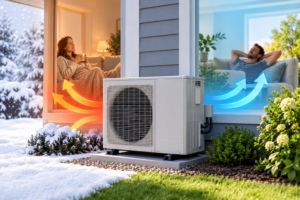 Many homeowners ask, ‘Can a heat pump both heat and cool my home?‘ The answer is a resounding yes. A heat pump is a versatile, all-in-one HVAC solution that provides efficient heating in the winter and reliable cooling in the summer, all from a single system. Consequently, this technology is becoming an increasingly popular choice for those looking to simplify their home comfort and reduce energy costs. This guide explains exactly how this dual-function system works and what benefits it can offer you.
How Does a Heat Pump Work Its Magic?
Unlike traditional furnaces that burn fuel to create heat, a heat pump works by moving heat from one place to another. It uses a refrigerant cycle, similar to an air conditioner or a refrigerator, to transfer thermal energy. The system consists of an indoor unit (air handler) and an outdoor unit. Importantly, the magic lies in its reversing valve, which allows the system to switch the direction of the refrigerant flow. This simple switch is what enables it to provide both heating and cooling.
Cooling Your Home in the Summer
During hot weather, a heat pump functions exactly like a standard air conditioner. The refrigerant in the indoor coil absorbs heat from your home’s air. This now-warm refrigerant is then pumped to the outdoor unit. There, a fan blows air across the outdoor coil, releasing the absorbed heat into the outside environment. As a result, the cooled refrigerant cycles back indoors to repeat the process, keeping your home comfortable and cool.
Heating Your Home in the Winter
In the winter, the process reverses. The outdoor unit’s coil extracts heat from the outside air—and yes, there is still heat energy available even in cold temperatures. The refrigerant absorbs this heat and is then compressed, which significantly increases its temperature. Furthermore, this superheated refrigerant travels to the indoor unit, where it releases its heat into your home’s air, which is then circulated through your ductwork. The now-cool refrigerant returns outside to gather more heat, continuing the cycle.
The Benefits of Answering: Can a Heat Pump Both Heat and Cool My Home?
Understanding that the answer to ‘Can a heat pump both heat and cool my home?‘ is yes opens the door to numerous advantages. This dual-functionality is not just a novelty; it represents a significant step forward in HVAC technology. Therefore, homeowners who make the switch often see immediate and long-term benefits that impact their comfort, budget, and environmental footprint. Let’s explore the most significant advantages.
- Exceptional Energy Efficiency: Heat pumps don’t create heat; they move it. This process is far more efficient than traditional combustion or electric resistance heating. According to the U.S. Department of Energy, modern heat pumps can reduce your electricity use for heating by approximately 50% compared to electric resistance heating.
- Significant Cost Savings: Because they use less energy, heat pumps can lead to substantially lower utility bills throughout the year. While the initial investment may be higher than a traditional furnace or AC unit alone, the year-round savings on energy consumption provide a strong return on investment over the system’s lifespan.
- Year-Round Convenience: With a heat pump, you have one single system to manage for both heating and cooling. This simplifies maintenance and operation. Instead of servicing a separate furnace and air conditioner, you only need to focus on one integrated unit, a topic we cover in our guide on how often you should service your HVAC system.
- Improved Dehumidification: In cooling mode, heat pumps are also very effective at removing humidity from the air. This results in a more comfortable indoor environment during humid summer months without feeling overly cold.
What Factors Should I Consider Before Installing a Heat Pump?
While heat pumps are an excellent solution for many, there are a few factors to consider. For instance, their heating efficiency can decrease as outdoor temperatures drop to extreme lows (typically below freezing). In very cold climates, a heat pump may be paired with a supplemental heat source, like a small gas furnace or electric heat strips, to create a ‘dual-fuel’ system. This ensures you have powerful heating on the absolute coldest days of the year while still enjoying the heat pump’s efficiency for the majority of the season.
Additionally, the upfront cost can be a consideration for some homeowners. However, federal tax credits and local utility rebates often exist to help offset this initial investment, making them more accessible. Proper sizing and professional installation are also critical for optimal performance, so choosing a qualified HVAC contractor is essential. A poorly installed system will not deliver the promised efficiency or comfort.
Final Thoughts: A Smart Solution for Modern Homes
So, if you’ve been wondering, ‘Can a heat pump both heat and cool my home?‘, you now know that it’s not only possible but also a highly efficient and convenient option. By transferring heat instead of creating it, these systems offer a greener, more cost-effective way to maintain year-round comfort. They represent a single, elegant solution to the dual challenges of summer heat and winter cold.
Ultimately, a heat pump is an investment in your home’s efficiency and comfort. With its ability to handle all your climate control needs, it simplifies your life and lowers your energy bills. Ready to explore the benefits of a heat pump for your property? Contact the experts at Alpha HVAC today for a professional consultation and to see if this all-in-one system is the right fit for you.
Related Posts