Wondering, do heat pumps work in cold climates? Discover how modern technology makes them a viable, efficient heating solution even in winter. Learn more!
Fall Furnace Tune-Up Checklist for Oconomowoc & Lake Country Homes
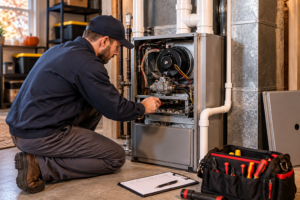 As the days get shorter and the mornings start to feel colder around Oconomowoc and the rest of Lake Country, we start hearing the same question from homeowners every year: Is my furnace actually ready for winter?
At Alpha Heating & Cooling, we spend the fall season walking through this exact question with families across the area, and we put together this checklist so you can do a first pass on your own before deciding whether you need a full furnace inspection.
A furnace that has been sitting idle since spring does not always show problems right away. Small issues tend to surface once the system is running for hours at a time in cold weather, which is why fall is the right window to catch them early rather than during the first cold snap.
Why a Fall Furnace Tune-Up Matters
A furnace works hardest during the months it gets the least attention. Dust builds up over the summer, parts that were fine in April can loosen or wear down, and filters that were clean at the start of the year are often overdue for a change by October. None of this is dramatic on its own, but together it adds strain to a system that is about to run daily for the next several months.
Homeowners searching for heating system maintenance near me are usually trying to solve for one of three things:
- Lower the chance of a breakdown once temperatures drop below freezing.
- Keep the system running efficiently so heating costs stay reasonable through winter.
- Extend the life of a furnace that may already be several years old.
A tune-up in the fall addresses all three at once, which is why we treat it as a seasonal habit rather than something to schedule only when a problem shows up.
Our Fall Furnace Inspection Checklist
Here is the same furnace inspection checklist our technicians work through on a standard fall visit. Walking through this yourself first can help you decide how urgent a professional visit is for your home.
- Replace or clean the air filter, since a clogged filter is one of the most common reasons furnaces work harder than they need to.
- Check the thermostat settings and battery, and confirm the display is reading temperature accurately.
- Inspect the furnace flame for a steady blue color, since a yellow or flickering flame can point to a combustion issue.
- Listen for unusual noises during startup and shutdown, including rattling, humming, or delayed ignition.
- Check vents and registers throughout the house to confirm they are open and not blocked by furniture or rugs.
- Look at the area around the furnace for dust buildup, moisture, or anything stored too close to the unit.
- Test the system for a full heating cycle to see how long it takes to reach the set temperature.
If any of these steps turn up something that does not look or sound right, that is usually the point where a technician visit makes more sense than continuing to troubleshoot on your own.
Signs Your Furnace Needs Professional Attention
Some issues are easy to spot from a basic walkthrough, but others only show up under closer inspection. A few signs we tell homeowners to watch for include:
- Uneven heating between rooms or floors of the house.
- A noticeable increase in heating bills compared to the same month last year.
- Short cycling, where the furnace turns on and off more frequently than usual.
- A burning smell that continues after the first startup of the season.
- Visible soot or discoloration around the furnace cabinet.
These signs do not always mean something serious, but they are worth having looked at before the coldest weeks of winter arrive, when repair scheduling tends to get busier across Lake Country.
Local Considerations for Oconomowoc and Lake Country Homes
Homes in this part of Wisconsin deal with a specific kind of winter, with long stretches of freezing temperatures and the occasional deep cold snap that puts real strain on older systems. We work with homeowners throughout the region, including furnace repair service in Oconomowoc as well as neighboring communities, and the pattern we see most often is that furnaces installed more than ten years ago tend to need more frequent fall attention than newer systems.
Older homes with original ductwork can also see more heat loss than newer construction, which sometimes gets mistaken for a furnace problem when the real issue is elsewhere in the system. This is part of why we look at the whole heating setup during a fall visit rather than just the furnace unit itself.
What a Professional Heater Tune-Up Includes
When homeowners search for a heater tune-up near me, it helps to know what should actually be covered during that visit, since not every inspection goes into the same depth. A thorough furnace tune-up generally includes checking the heat exchanger for cracks, testing the ignition system, measuring airflow, inspecting electrical connections, and confirming the system shuts off safely if something goes wrong.
We also look closely at wear on components that are not visible during a basic homeowner check, since these are often the parts most likely to fail once the furnace is running continuously through the winter. For furnaces that have gone longer between services, we sometimes recommend a furnace deep cleaning alongside the standard tune-up, particularly if dust or debris has built up inside the unit over several seasons.
Keeping Up With Maintenance Year After Year
The furnaces that tend to last the longest and run into the fewest mid-winter problems are almost always the ones that get looked at consistently, not just when something starts sounding off. For homeowners who want to stay ahead of this without having to remember to schedule it every fall, we offer ongoing seasonal coverage through our Comfort Club membership, which keeps both heating and cooling systems on a regular maintenance schedule throughout the year.
This kind of consistency matters more in a climate like ours, where the furnace is not just running occasionally but working through several straight months of cold weather every winter.
Getting Your Furnace Checked Before Winter Arrives
If your furnace has not been looked at since last winter, or if anything on this checklist raised a concern, the fall months are the right time to get it addressed. Waiting until the first hard freeze often means longer scheduling windows and a system that has already been struggling through inconsistent heating for weeks.
You can reach out to our team through our contact page to schedule a fall furnace inspection, or to ask any questions about what your specific system might need before winter settles in across Lake Country.
Frequently Asked Questions
1. How often should a furnace get a tune-up?
A furnace should generally be inspected once a year, ideally in the fall before regular winter use begins.
2. What is included in a furnace inspection checklist?
A typical inspection covers the air filter, ignition system, heat exchanger, electrical connections, airflow, and a full heating cycle test to confirm everything is working correctly.
3. How do I know if my furnace needs repair instead of a tune-up?
Signs like uneven heating, short cycling, unusual noises, or a persistent burning smell usually point to a repair need rather than routine maintenance.
4. Does an older furnace need more frequent maintenance?
Yes, furnaces over ten years old often need closer attention each fall, since parts naturally wear down and become more likely to fail during heavy winter use.
5. Is furnace maintenance covered under a membership plan? Our Comfort Club membership includes scheduled seasonal maintenance for both heating and cooling systems, so furnace checkups happen automatically each year rather than being left to chance.
Related Posts