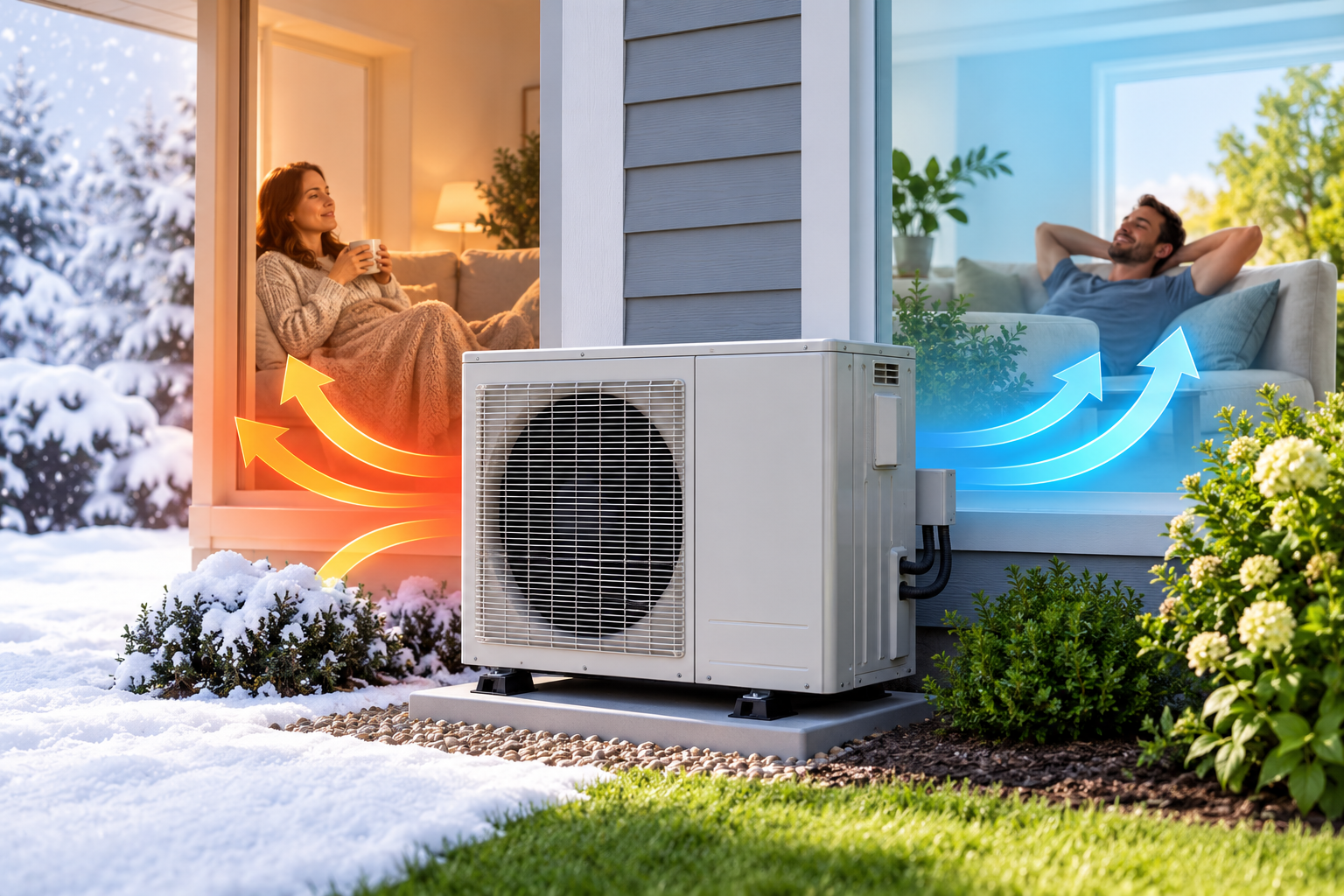
Wondering, 'Can a heat pump both heat and cool my home?' Yes! Discover how these all-in-one systems provide year-round comfort and efficiency. Contact us!
What Is An HVAC Zone System?
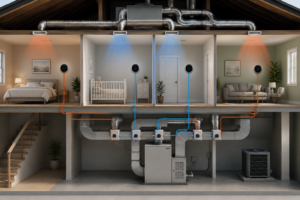 Many homeowners struggle with uneven temperatures throughout their house—a freezing basement and a stuffy upstairs bedroom. If this sounds familiar, the answer to your problem might be found by asking, what is an HVAC zone system? In simple terms, it’s a method of dividing your home into different areas, or ‘zones,’ allowing you to control the temperature in each one independently. Consequently, this technology offers a significant upgrade in both comfort and energy efficiency over traditional, single-thermostat systems. Furthermore, it puts an end to the family thermostat wars by giving everyone personalized control over their environment.
How Does a Zoned System Actually Work?
A zoned HVAC system doesn’t replace your existing furnace or air conditioner. Instead, it enhances it with a few key components that work together to direct airflow precisely where it’s needed. The core principle is simple: instead of heating or cooling the entire house to a single temperature, you can create custom climate settings for different sections. For example, you can keep your living areas comfortable during the day while allowing bedrooms to stay at a more energy-efficient temperature.
The main components that make this possible include:
- A Control Panel: This is the brain of the operation. It receives signals from each thermostat and tells the dampers which ones to open or close, coordinating the entire system.
- Zone Dampers: These are special valves installed inside your home’s ductwork. The control panel operates these dampers, opening them to allow conditioned air into a specific zone or closing them to block it off.
- Thermostats: Each zone has its own thermostat. When the temperature in a zone deviates from the setpoint, its thermostat sends a signal to the control panel to request heating or cooling.
As a result, when you adjust a thermostat in one zone, the system responds only to that area’s needs without affecting the rest of the house. This targeted approach is the key to both its effectiveness and its efficiency.
The Core Benefits of Answering ‘What is an HVAC zone system?’ for Your Home
Understanding the potential of a zoned system reveals several compelling advantages for homeowners. Beyond just solving hot and cold spots, it fundamentally changes how you interact with your home’s climate control. Importantly, these benefits translate directly into greater satisfaction and lower utility bills.
Enhanced Personal Comfort
The most immediate benefit is a dramatic increase in comfort. Different family members often have different temperature preferences. Similarly, a home office may need to be cooler during the day, while a nursery needs to be warmer at night. Zoning allows you to cater to these specific needs simultaneously. Therefore, everyone can enjoy their space at their ideal temperature without compromise.
Increased Energy Efficiency and Cost Savings
A traditional HVAC system is an all-or-nothing proposition, often wasting significant energy by heating or cooling unoccupied rooms. A zoned system eliminates this waste. By directing conditioned air only to the zones that need it, your HVAC unit runs less frequently and more efficiently. This reduction in runtime not only lowers your monthly energy bills but also reduces your home’s carbon footprint. Authoritative sources like the U.S. Department of Energy highlight how proper thermostat and zoning strategies are crucial for maximizing home energy savings.
Longer HVAC System Lifespan
Because a zoned system allows your furnace and air conditioner to run more efficiently and for shorter periods, it reduces the overall wear and tear on your equipment. This lessens the strain on critical components like the compressor and blower motor. Consequently, you may experience fewer breakdowns and a longer operational lifespan from your entire HVAC setup, delaying the need for costly replacements like upgrading your furnace or air conditioner.
Is a Zoned HVAC System Right for Your Home?
While the benefits are clear, a zoned system is not a one-size-fits-all solution. However, it is an excellent investment for many types of properties. You should seriously consider zoning if your home fits one or more of the following descriptions:
- Multi-Story Homes: Heat naturally rises, making upper floors consistently warmer than lower ones. Zoning is the perfect solution to counteract this effect.
- Sprawling Ranch-Style Homes: In large, single-story layouts, rooms at the far end of the ductwork often don’t get enough airflow and remain uncomfortable.
- Homes with Finished Basements or Attics: These areas have vastly different heating and cooling needs than the main living space.
- Rooms with Large Windows: Sun-drenched rooms can become uncomfortably warm, requiring more cooling than other parts of the house.
- Infrequently Used Spaces: If you have guest rooms, a formal dining room, or other spaces that are often empty, there’s no need to heat or cool them constantly.
Considering these factors helps determine if you truly need to understand what is an HVAC zone system for your property. If you experience significant temperature imbalances, it’s a technology worth exploring. Many modern systems, including modern heat pumps, can be integrated with zoning controls for maximum efficiency.
Final Thoughts: Taking Control of Your Home’s Climate
Ultimately, a zoned system is about providing customized comfort and intelligent efficiency. It transforms a standard, one-size-fits-all HVAC system into a smart, responsive network that adapts to your lifestyle and your home’s unique layout. By delivering heating and cooling only where and when it’s needed, you gain unprecedented control over your environment and your energy expenses. Now that you can answer the question of what is an HVAC zone system, you are better equipped to make an informed decision about your home’s comfort. If you’re tired of battling inconsistent temperatures and high utility bills, exploring a zoned solution is a logical next step. Ready to find out if zoning is right for your home? Contact our HVAC experts today for a professional consultation and personalized quote.
Related Posts