Wondering, do heat pumps work in cold climates? Discover how modern technology makes them a viable, efficient heating solution even in winter. Learn more!
How Do I Know If I Need A New Furnace?
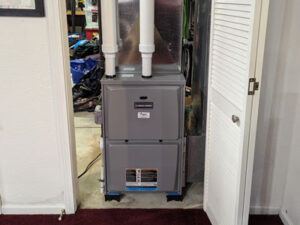 As a homeowner, you rely on your furnace to provide consistent warmth and comfort, especially during the coldest months. However, like any major appliance, it won’t last forever. Eventually, you will find yourself asking, How do I know if I need a new furnace? Recognizing the warning signs early can save you from a sudden breakdown, costly emergency repairs, and uncomfortable living conditions. Furthermore, acting decisively ensures your home remains safe and energy-efficient.
Your Furnace’s Age: The First Major Clue
The single most significant factor in determining if you need a new furnace is its age. Most furnaces have a lifespan of about 15 to 20 years. If your unit is approaching or has surpassed this age range, it is operating on borrowed time, even if it seems to be working correctly. Consequently, its efficiency has likely declined significantly compared to modern units.
To find your furnace’s age, look for a manufacturer’s label on the unit. This label usually includes a serial number, and you can often decipher the manufacturing date from it or by searching the brand and serial number online. An older furnace not only risks a complete failure but also costs you more to operate. For example, modern high-efficiency furnaces can be up to 98% efficient, a stark contrast to older models that might only be 60-70% efficient, as noted by resources like the Department of Energy.
What Are the Telltale Signs of a Failing Furnace?
Beyond age, your furnace will provide several other clues that it’s nearing the end of its service life. Paying attention to these indicators can help you make a proactive decision instead of a reactive one. These signs often start small but can quickly escalate, signaling that a replacement is imminent.
Key Warning Signs to Watch For
Here are seven critical signs that you should start budgeting for a new furnace:
- Steadily Rising Energy Bills: If your heating costs are climbing without a corresponding increase in usage or utility rates, your furnace is likely losing efficiency. As components wear out, the system must work harder and longer to produce the same amount of heat, consuming more energy in the process.
- Frequent and Costly Repairs: A furnace that requires one or two significant repairs in the last couple of years is a clear red flag. When repair costs start to approach 50% of the cost of a new unit, replacement becomes the more financially sound option.
- Uneven Heating Throughout Your Home: Are some rooms in your house cozy while others remain chilly? An aging furnace often loses its ability to distribute air evenly. This could be due to a failing blower motor or issues with the ductwork, but it frequently points to a system that can no longer meet your home’s demands.
- Strange Noises or Smells: Your furnace should operate relatively quietly. Therefore, if you start hearing loud banging, popping, rattling, or squealing, it indicates mechanical problems. These strange noises from your furnace can signal issues from a loose belt to a failing motor.
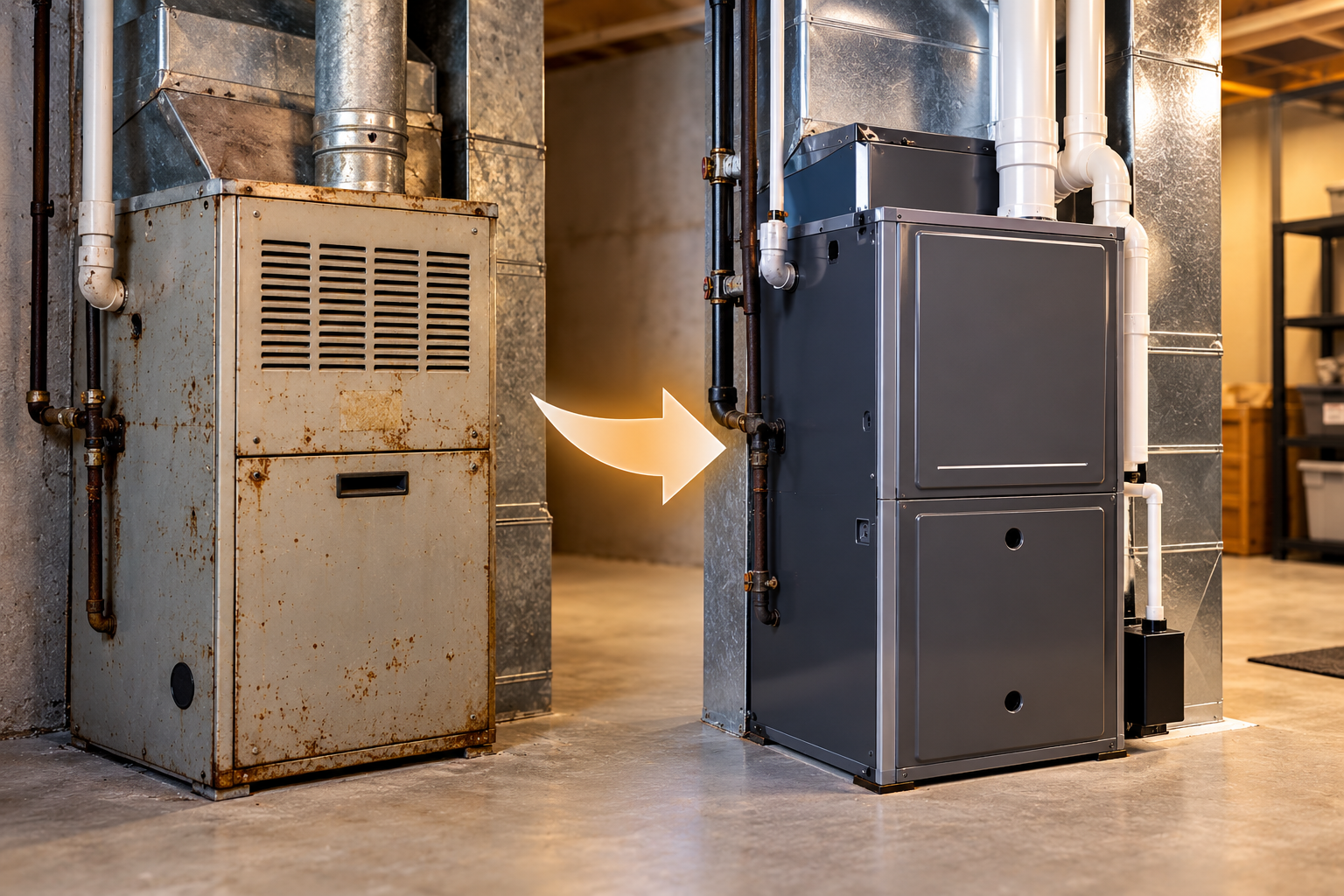
- Visible Signs of Rust or Cracks: A physical inspection can reveal a lot. Specifically, look for visible rust on the unit’s exterior or cracks in the heat exchanger. A cracked heat exchanger is a serious safety hazard, as it can leak carbon monoxide into your home.
- Excessive Dust and Dry Air: An old furnace often struggles to moisturize and clean the air in your home. If you notice an increase in dust, soot, or allergens, or if the air feels unusually dry, your furnace’s filtration and humidification capabilities may be failing.
- Yellow Burner Flame: The burner flame on a gas furnace should be a steady blue. A flickering or yellow flame indicates incomplete combustion, which can mean the furnace is not burning fuel efficiently and could be producing dangerous carbon monoxide.
Weighing Repair vs. Replacement: A Financial Decision
Deciding between another repair and a full replacement is a common dilemma for homeowners. The answer often comes down to a simple cost-benefit analysis. While a repair might seem cheaper upfront, it can be a poor investment in an aging system. This is where understanding the long-term costs helps you answer the question, How do I know if I need a new furnace?
A useful guideline is the “50% rule.” If a repair’s cost is 50% or more of the value of a new furnace, you should seriously consider replacement. Investing a large sum into a unit that is likely to break down again soon is not economical. Moreover, you have to consider the varying furnace replacement prices and find a solution that fits your budget and home’s needs. A new, high-efficiency model, such as one certified by ENERGY STAR, will lead to immediate savings on your monthly energy bills, helping to offset the initial investment over time.
Final Thoughts: Taking the Next Step
Ultimately, knowing when to replace your furnace is about recognizing the signs of decline and acting before a catastrophic failure occurs. While regular furnace service can extend the life of your unit, no furnace lasts forever. If your system is over 15 years old and exhibiting issues like rising bills, strange noises, or uneven heating, the answer to ‘How do I know if I need a new furnace?‘ is likely ‘now’.
Don’t wait for a complete breakdown in the middle of winter. A proactive approach ensures your family’s comfort and safety while providing an opportunity to choose the right energy-efficient model for your home without the pressure of an emergency. If you’ve noticed any of these signs, it’s time to consult with a professional.
Ready to get an expert opinion on your furnace’s condition? A professional assessment can provide clarity and help you understand your options. For a comprehensive evaluation and honest advice, contact our team today to schedule a consultation.
Related Posts