Wondering, 'How do I know if I need a new furnace?' Look for rising energy bills, strange noises, and frequent repairs. Learn the top signs. Contact us!
Do Heat Pumps Work In Cold Climates?
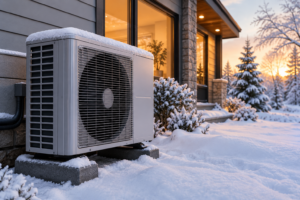 It’s a persistent question for homeowners considering an energy-efficient upgrade: do heat pumps work in cold climates? For years, the conventional wisdom suggested they were only suitable for moderate temperatures. However, thanks to significant technological advancements, modern heat pumps are not only viable but are becoming a preferred heating source even in regions with harsh winters. This guide will break down how they operate, what makes them effective in the cold, and what you need to know before making the switch.
How a Heat Pump Operates in Winter
Unlike furnaces that burn fuel to create heat, a heat pump works by transferring it. During winter, it pulls residual heat from the outside air—yes, even when it’s cold—and moves it inside your home. This process is incredibly efficient because moving heat requires less energy than generating it from scratch. Consequently, this system can significantly lower your energy consumption and utility bills. The core mechanism involves a refrigerant cycle, which is a concept central to how a heat pump operates for both heating and cooling.
Furthermore, the efficiency of this process is measured by the Heating Seasonal Performance Factor (HSPF). A higher HSPF rating indicates greater efficiency. Importantly, new cold-climate models are specifically engineered with higher HSPF ratings to maintain performance as temperatures drop, making them a reliable choice for year-round comfort.
Answering the Big Question: Do Heat Pumps Work in Cold Climates?
The short answer is a resounding yes. While older models struggled once temperatures neared freezing, today’s cold-climate (or cold-weather) heat pumps are designed to function effectively at temperatures as low as -15°F (-26°C) or even colder. These advanced systems use variable-speed compressors and enhanced vapor injection technology to extract heat from frigid air far more effectively than their predecessors. Therefore, the old myth that they are ineffective in snowy regions is officially outdated.
What is a Cold-Climate Heat Pump?
A cold-climate heat pump is a specific category of air-source heat pump optimized for low-temperature performance. They achieve this through several key innovations. For example, they feature multi-stage or variable-speed compressors that can adjust their output based on the heating demand. This allows them to run at a lower, more efficient speed most of the time but ramp up to provide maximum heat during extreme cold snaps. This adaptability is a primary reason they have become so popular in northern climates.
The Role of Supplemental Heat
Even with advanced technology, there is a point, known as the ‘balance point,’ where a heat pump’s output may not be sufficient to heat the home alone during the absolute coldest days of the year. At this temperature, a supplemental or auxiliary heat source activates to assist. This ensures your home remains comfortable without interruption. This dual-system approach provides peace of mind and is a key part of the strategy for using heat pumps in colder regions.
What Happens When Temperatures Drop Below Freezing?
As outdoor temperatures fall, a heat pump has to work harder to extract heat. Modern units are built for this challenge, but their efficiency does decrease as the temperature plummets. When the system can no longer meet the home’s heating needs on its own, the integrated supplemental heat source automatically kicks in. This hybrid approach ensures consistent warmth. There are several common types of backup systems:
- Electric Resistance Strips: This is the most common form of auxiliary heat. It functions like a giant toaster oven, using electric coils to generate heat. While effective, it is less energy-efficient than the heat pump itself.
- Dual-Fuel System: This pairs a heat pump with a gas, oil, or propane furnace. The heat pump acts as the primary heat source, and the furnace only turns on during extreme cold. This offers the best of both worlds: high efficiency for most of the winter and powerful heating for the coldest days.
- Hydronic Coils: In some systems, a hot water coil connected to a boiler can be used as the supplemental heat source, integrating with existing hydronic heating systems.
Understanding these options is crucial for designing a system that provides both efficiency and reliability. A qualified HVAC professional can help determine the best configuration for your specific home and climate.
Benefits of Using a Heat Pump in a Cold Region
Despite the need for a potential backup source, the advantages are substantial. Homeowners who make the switch often see immediate and long-term benefits. Specifically, these systems offer a compelling package of efficiency, comfort, and environmental responsibility.
Here are the primary benefits:
- Superior Energy Efficiency: Because they move heat instead of creating it, heat pumps can be 200-400% more efficient than traditional furnaces or electric baseboard heaters. This translates directly into lower monthly energy bills.
- Year-Round Comfort Solution: A heat pump is an all-in-one system. It provides efficient heating in the winter and acts as a standard air conditioner in the summer, allowing you to heat and cool your home with a single piece of equipment.
- Reduced Carbon Footprint: By relying on electricity and avoiding the direct combustion of fossil fuels, heat pumps are a greener alternative. According to the U.S. Department of Energy, they can significantly reduce your home’s greenhouse gas emissions, especially when paired with a grid that uses renewable energy sources. You can learn more about their efficiency on the official Energy.gov website.
- Consistent Heating: Unlike some furnaces that deliver blasts of hot air, variable-speed heat pumps provide a continuous, even flow of warmth, eliminating hot and cold spots in your home.
Key Takeaways: Making the Switch to a Heat Pump
In conclusion, the answer to ‘do heat pumps work in cold climates?‘ is a clear yes, provided you choose the right equipment and have it installed correctly. Modern cold-climate models are engineered to handle freezing temperatures efficiently. By pairing one with a suitable supplemental heat source, you can create a reliable, cost-effective, and environmentally friendly system for year-round comfort. Proper sizing, professional installation, and regular HVAC maintenance are critical to maximizing performance and longevity. If you’re ready to explore how a heat pump could benefit your home, contact our team for a professional consultation.
Related Posts