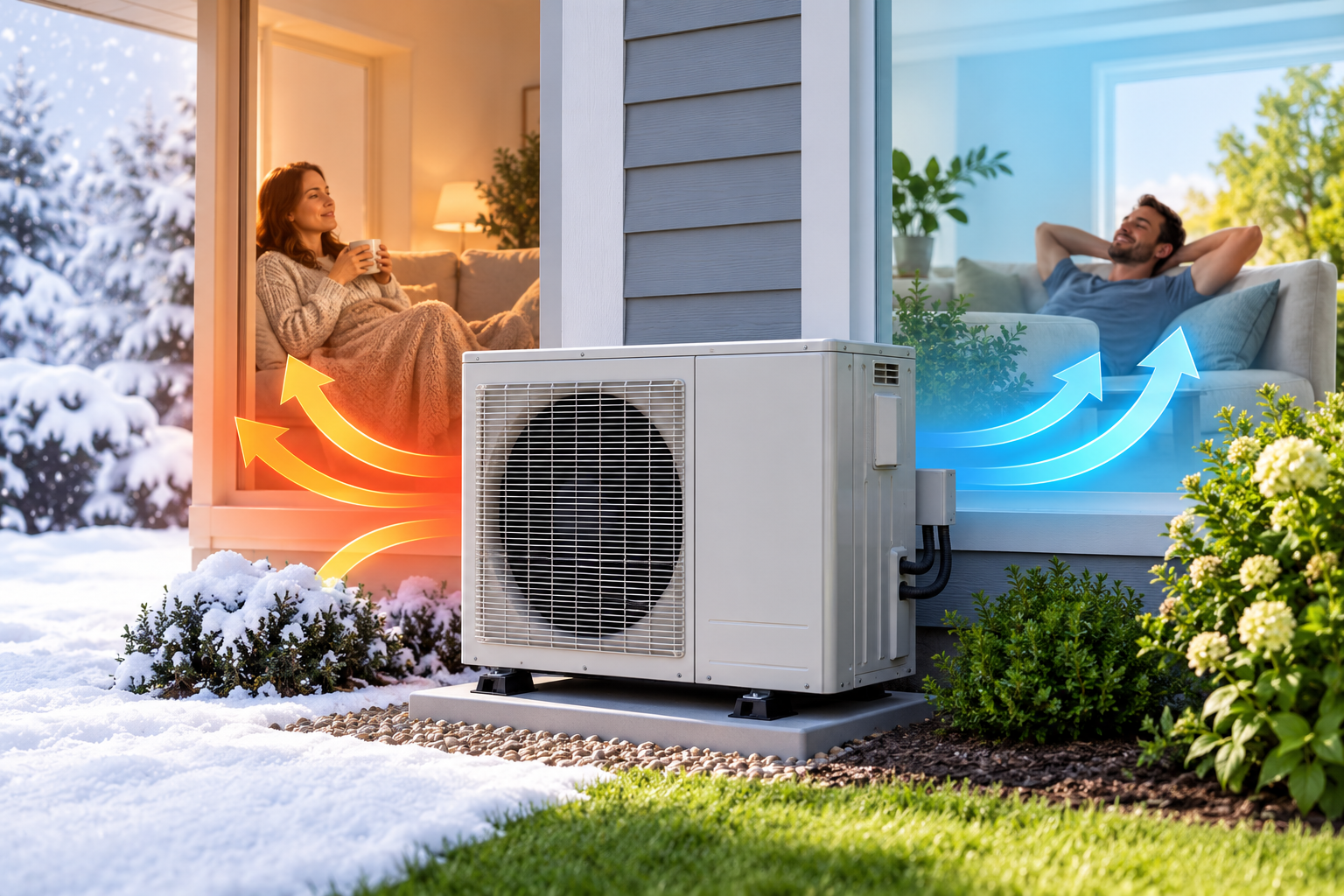
Wondering, 'Can a heat pump both heat and cool my home?' Yes! Discover how these all-in-one systems provide year-round comfort and efficiency. Contact us!
How Often Should A Commercial HVAC System Be Serviced?
 For any business owner or facility manager, the question of how often should a commercial HVAC system be serviced is not just about maintenance—it’s about financial planning, operational continuity, and occupant comfort. Unlike a residential unit, a commercial system operates under immense strain, making regular, professional attention essential. Therefore, establishing a consistent service schedule is one of the most effective measures you can take to protect your investment, prevent unexpected downtime, and manage energy expenditures. This guide provides a clear framework for determining the right service frequency for your specific needs.
Why Regular Maintenance is Non-Negotiable for Businesses
Deferring service might seem like a way to save money in the short term, but it almost always leads to greater expenses down the road. Consistent maintenance is a proactive strategy that delivers tangible returns. For example, a well-maintained system operates closer to its peak efficiency, directly translating to lower monthly energy bills. Furthermore, regular inspections can catch minor issues, like frayed wires or small leaks, before they escalate into catastrophic failures that could shut down your operations for days.
Additionally, the air quality within your commercial space has a direct impact on the health and productivity of your employees and the comfort of your customers. A clean system with fresh filters reduces the circulation of dust, allergens, and other pollutants. Consequently, this creates a healthier indoor environment. Finally, the lifespan of your HVAC equipment is significantly extended with routine care, pushing major capital expenditures for replacement further into the future.
What is the General Recommendation for Service Frequency?
While every system is unique, a widely accepted baseline for commercial HVAC maintenance is twice a year. This typically involves a cooling system check-up in the spring and a heating system inspection in the fall. This semi-annual schedule ensures each primary function is ready for its peak season. However, this is just a starting point, and many commercial environments require more frequent attention.
Quarterly Service: For High-Demand Environments
For businesses where the HVAC system is under constant or extreme demand, a quarterly service plan is highly recommended. This includes facilities like restaurants with heat-generating kitchens, hospitals with stringent air quality requirements, and manufacturing plants with airborne particulates. In these settings, filters clog faster, and components wear out more quickly. Therefore, a quarterly check-up ensures the system remains reliable and efficient year-round, preventing performance degradation that could impact core business operations.
Monthly Checks: Simple In-House Tasks
Beyond professional service, there are several monthly tasks your own facilities team can perform to support system health. These simple checks can make a significant difference in performance and longevity. Specifically, these tasks should be part of a regular building maintenance checklist:
- Inspect and Replace Air Filters: Dirty filters are a primary cause of system inefficiency and failure. Check them monthly and replace as needed.
- Visually Inspect Units: Look for any visible signs of damage, leaks, or blockages around both indoor and outdoor units.
- Listen for Unusual Noises: Grinding, squealing, or clanking sounds can indicate a developing mechanical problem that needs immediate attention.
- Ensure Condensate Drains are Clear: A clogged drain line can cause water damage and shut down your system. Ensure it is free of obstructions.
- Keep Surrounding Areas Clear: Maintain at least two to three feet of clearance around all HVAC equipment to ensure proper airflow.
Key Factors That Determine How Often Should A Commercial HVAC System Be Serviced
The semi-annual or quarterly recommendation is a guideline. To create a truly effective plan, you must consider several variables specific to your equipment and facility. The answer to how often should a commercial HVAC system be serviced depends heavily on these factors. A professional technician can help you assess these elements to build a custom maintenance schedule.
System Age and Condition
An older HVAC system, typically one over 10 years old, naturally requires more frequent attention. As components age, they become more susceptible to wear and tear. Consequently, older units benefit from quarterly inspections to preemptively address potential failures and maintain efficiency. In contrast, a newer system may perform well with a standard semi-annual service plan.
Operating Environment
The physical location and environment of your business play a crucial role. A system in a clean, suburban office park will have different needs than one on a busy city street or in an industrial zone with high levels of dust and pollutants. Similarly, coastal locations with salt in the air can cause accelerated corrosion. These harsher environments necessitate more frequent cleaning and inspection.
Usage Patterns
How hard your system works is another critical factor. A standard 9-to-5 office has different usage patterns than a 24/7 data center that requires constant, intensive cooling. The more hours your system runs and the tighter the temperature control required, the more often it will need service. For example, a system running around the clock should be inspected quarterly at a minimum.
What Does a Professional Commercial HVAC Service Include?
A professional maintenance visit is far more comprehensive than a simple filter change. When you partner with a qualified technician, they perform a detailed diagnostic and tune-up process designed to optimize performance and ensure safety. This is why it’s important to understand the costs of HVAC service as an investment in your property. A typical service call includes:
- Complete Component Inspection: Technicians examine motors, belts, fans, and electrical connections for wear and tear.
- Coil and Blower Cleaning: Dirt and grime are removed from evaporator and condenser coils to improve heat transfer and efficiency.
- Lubrication of Moving Parts: All moving components are lubricated to reduce friction and prevent mechanical failure.
- Refrigerant Level Checks: The technician ensures refrigerant levels match manufacturer specifications, as incorrect levels can drastically reduce efficiency and damage the compressor.
- Safety Control Testing: All safety features are tested to ensure the system will shut down properly in the event of a malfunction.
- Thermostat Calibration: Thermostats are checked and calibrated to ensure accurate temperature readings and control.
Final Thoughts: Creating Your Maintenance Plan
Ultimately, determining how often should a commercial HVAC system be serviced requires a proactive and customized approach. While a semi-annual plan is a great starting point, you must evaluate your system’s age, your operating environment, and your usage demands. Partnering with a trusted provider for our comprehensive commercial HVAC service is the best way to protect your equipment and ensure it runs efficiently for years to come, following guidelines from organizations like ASHRAE and as recommended by the U.S. Department of Energy. A tailored maintenance agreement not only prevents costly repairs but also provides peace of mind. Ready to create a custom maintenance plan for your business? Contact us today to speak with one of our commercial HVAC experts.
Related Posts