Wondering, 'Can you service all brands of commercial HVAC equipment?' Yes, our expert technicians handle all major makes and models for your business. Co...
Why Is My HVAC System Not Cooling?
 Coming home to a warm house on a hot day is incredibly frustrating, especially when you expect relief from your air conditioner. If you’re asking, Why is my HVAC system not cooling?, you’re not alone. This common problem can stem from several issues, ranging from simple fixes you can handle yourself to more complex problems that require a professional. Fortunately, understanding the potential causes is the first step toward restoring comfort to your home. This guide will walk you through the most frequent culprits and what you can do about them.
What Are the First Steps to Troubleshoot a Malfunctioning AC?
Before panicking or calling for service, there are a few simple checks you can perform. These preliminary steps can sometimes resolve the issue without any cost or professional assistance. Consequently, it’s always best to start here.
Check Your Thermostat Settings
First, verify that your thermostat is set correctly. It sounds obvious, but it’s a frequent oversight. Ensure the system is set to ‘Cool’ and the temperature is set several degrees below the current room temperature. Additionally, check if the fan is set to ‘Auto’ rather than ‘On’. If the fan is ‘On’, it will run continuously, even when the cooling cycle is off, blowing unconditioned air and making it feel like the system isn’t working.
Inspect the Circuit Breaker
Next, head to your home’s electrical panel. An HVAC system often has two separate breakers: one for the indoor unit (air handler/furnace) and one for the outdoor unit (condenser). A power surge could have tripped one or both. If you find a tripped breaker, flip it completely off and then back on. If it trips again immediately, there is likely an electrical issue that needs professional attention.
Common Culprits Behind a Non-Cooling AC
If the basic checks don’t solve the problem, the issue likely lies with one of the system’s core components. Many of these problems relate to airflow and refrigerant, which are essential for the cooling process. Let’s explore the most common reasons your AC might be failing to cool.
1. Dirty or Clogged Air Filters
A dirty air filter is one of the most prevalent causes of cooling problems. When the filter becomes clogged with dust, pet dander, and other debris, it severely restricts airflow to the indoor unit’s evaporator coil. This lack of airflow can cause the coil to freeze over, which completely stops the cooling process. Furthermore, a clogged filter forces your system to work harder, increasing energy bills and straining components. You should inspect your filter monthly and replace it every 1-3 months, depending on your home’s environment.
2. Obstructed Outdoor Condenser Unit
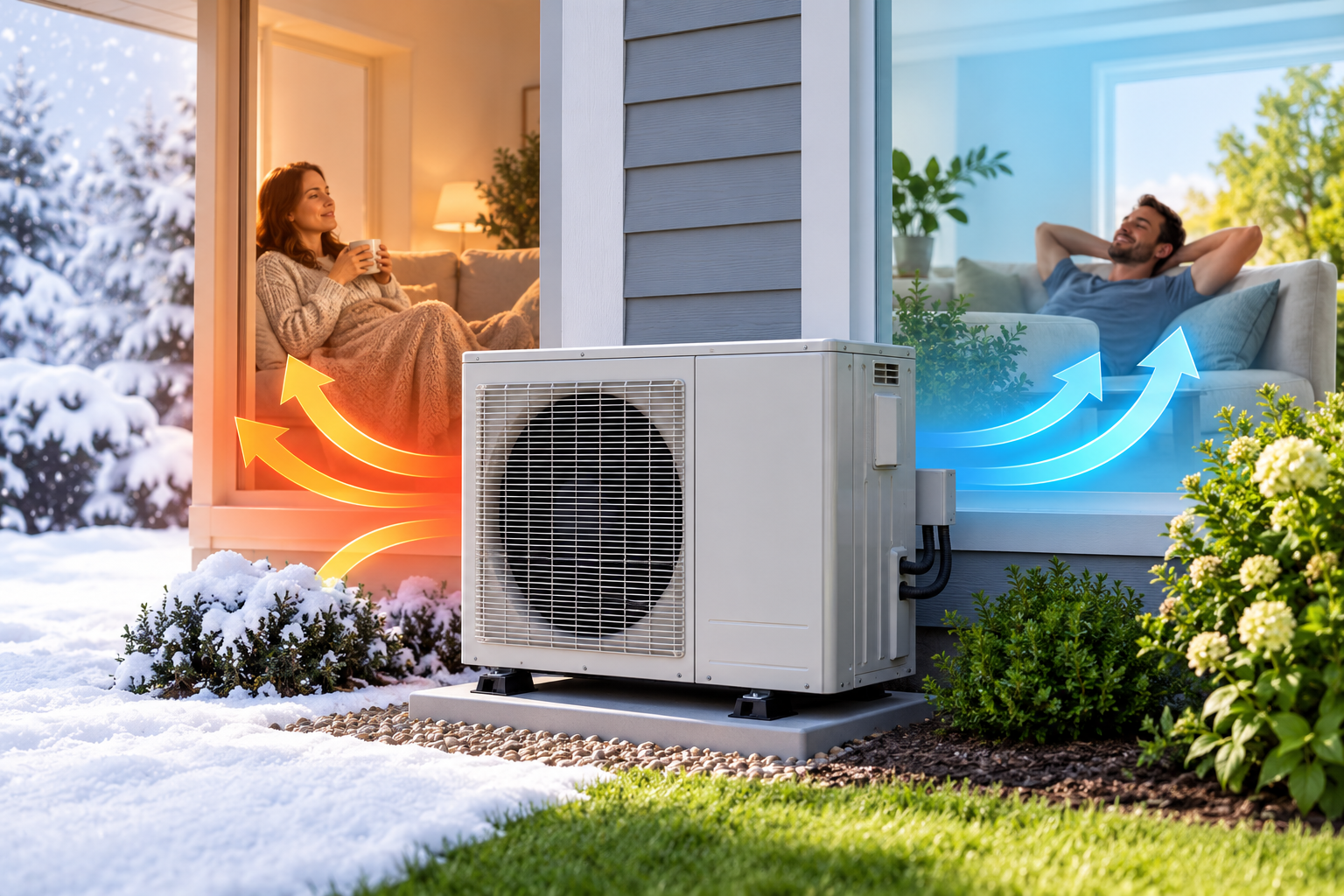
Your HVAC system’s outdoor unit is responsible for releasing the heat absorbed from inside your home. For it to work effectively, it needs unrestricted airflow. However, leaves, grass clippings, dirt, and shrubs growing too close can block the condenser fins. As a result, the unit cannot dissipate heat properly, which significantly reduces its cooling efficiency. You can gently rinse the unit with a garden hose (do not use a pressure washer) to clean it and ensure there are at least two feet of clearance around the entire unit.
Answering the Deeper Question: Why is my HVAC system not cooling?
Sometimes the problem is more complex than a dirty filter or blocked condenser. Several internal components can fail, leading to a complete loss of cooling. Importantly, most of these issues require a trained technician to diagnose and repair safely. Here are some of the more technical problems:
- Frozen Evaporator Coils: As mentioned, restricted airflow is a primary cause, but low refrigerant can also lead to frozen coils. When you see ice on the indoor unit, it’s a clear sign of a problem.
- Low Refrigerant Levels: Refrigerant is the lifeblood of your AC. If your system is low on refrigerant, it’s almost always due to a leak. Simply adding more is not a solution; a technician must find and repair the leak first. This is a key reason to seek professional AC repair service.
- Faulty Capacitor or Contactor: The capacitor provides the jolt of energy needed to start the compressor and fans, while the contactor manages the flow of electricity. If either of these electrical parts fails, the outdoor unit won’t run, and no cooling will occur.
- Leaking Ductwork: If your ducts have holes or are poorly connected, the cold air your system produces can leak into your attic, crawlspace, or walls instead of reaching your living spaces. This makes the system seem like it’s not cooling effectively.
Understanding these potential failures helps clarify why a system might suddenly stop performing. While some homeowners might be tempted by a DIY fix, issues involving refrigerant or electrical components are best left to certified professionals for safety and warranty reasons. An expert can accurately diagnose why your HVAC system is not cooling and perform the correct repair.
The Importance of Regular Maintenance
The best way to avoid a cooling crisis is through preventative care. Scheduling annual tune-ups can catch potential problems before they escalate into expensive breakdowns. During a maintenance visit, a technician will clean the coils, check refrigerant levels, test electrical components, and ensure the entire system is operating efficiently. Therefore, investing in regular HVAC maintenance is one of the smartest decisions a homeowner can make. It not only prevents inconvenient failures but also extends the lifespan of your equipment and keeps energy bills in check. For more information on maintaining your system, the U.S. Department of Energy provides excellent resources for homeowners.
Key Takeaways for Homeowners
When your air conditioner stops working, it’s easy to feel overwhelmed. However, by following a logical troubleshooting process, you can often identify or even fix the problem yourself. Always start with the simplest solutions: check the thermostat and the circuit breakers. From there, inspect your air filter and the outdoor unit for blockages. If these steps don’t restore your cool air, the problem is likely more complex and requires professional expertise. Don’t hesitate to get help for issues like refrigerant leaks or electrical failures. For reliable diagnostics and repairs, contact our team today to get your home comfortable again!
Related Posts