Is your heat out? If you're asking 'Why did my furnace stop working suddenly?', check for simple issues like the thermostat or a dirty filter. Contact us...
Why Is My Furnace Blowing Cold Air?
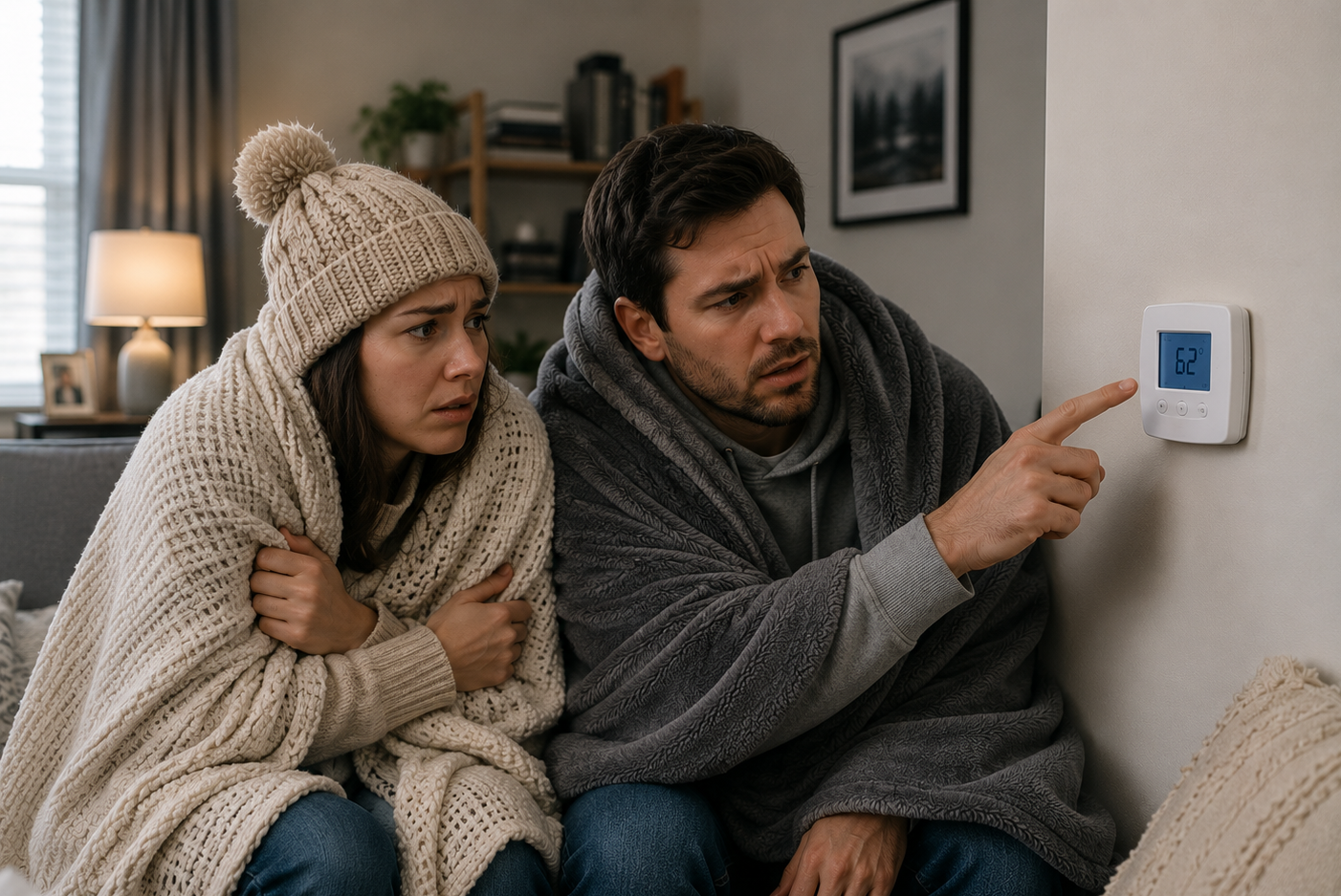
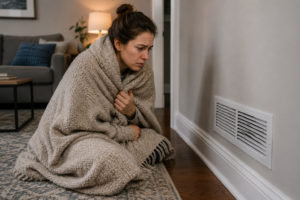 There are few things more frustrating during a cold snap than discovering your heater is on, but the vents are pushing out chilly air. If you’re asking, Why is my furnace blowing cold air?, you’re not alone. Fortunately, this common problem often has a simple solution you can diagnose yourself. Before you panic, it’s important to understand that several factors, from incorrect settings to minor mechanical issues, could be the culprit. This guide will walk you through the most frequent causes and help you determine your next steps.
First Steps: Simple Checks Before You Call a Pro
Before diving into the furnace itself, a few simple checks can often resolve the issue without needing a technician. These are the easiest things to verify and should always be your starting point. Consequently, you might save yourself time and the cost of a service call.
Check Your Thermostat Settings
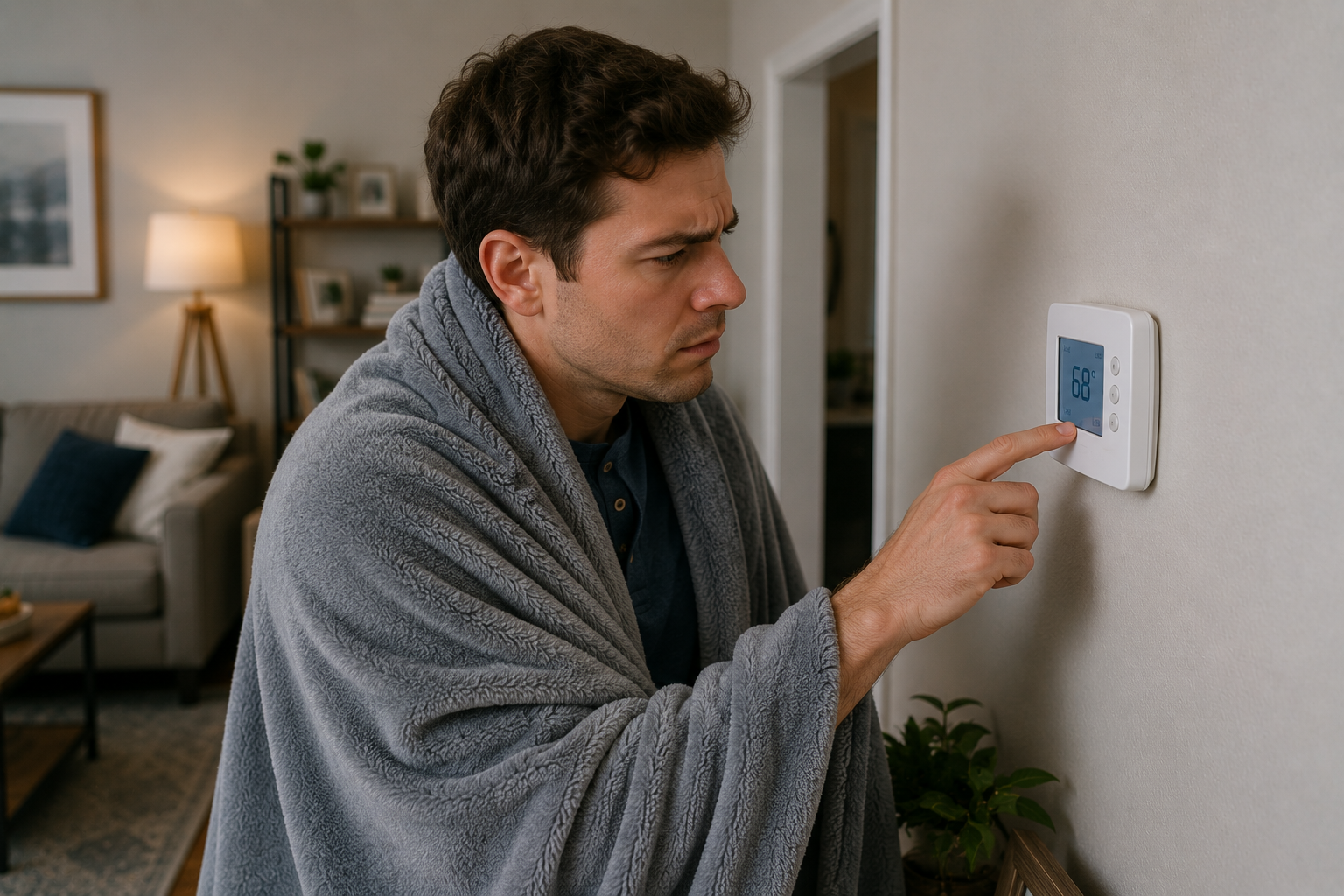
It may seem obvious, but an incorrect thermostat setting is a leading cause of this problem. First, ensure your thermostat is set to ‘HEAT’. If it’s on ‘COOL’ or ‘FAN ON’, the system will only circulate unheated air. Additionally, check that the fan setting is on ‘AUTO’, not ‘ON’. When the fan is set to ‘ON’, the blower runs continuously, even between heating cycles. As a result, it will blow cool air once the burners have shut off. Setting it to ‘AUTO’ ensures the fan only runs when the furnace is actively heating.
Is a Clogged Air Filter the Culprit?
A dirty or clogged air filter is another major offender. Your furnace needs adequate airflow to function correctly. When the filter is packed with dust and debris, it restricts this flow. Importantly, this can cause the furnace’s heat exchanger to overheat. As a safety measure, the system will shut off the burners to prevent damage but may leave the fan running, pushing the now-cold air through your vents. Therefore, you should check your filter and replace it if it appears dirty. For most homes, this means checking it monthly and replacing it every 1-3 months. Regular maintenance is key to preventing this and many other HVAC issues, as outlined in guides on how often you should service your HVAC system.
Troubleshooting Deeper Issues: Why is my furnace blowing cold air?
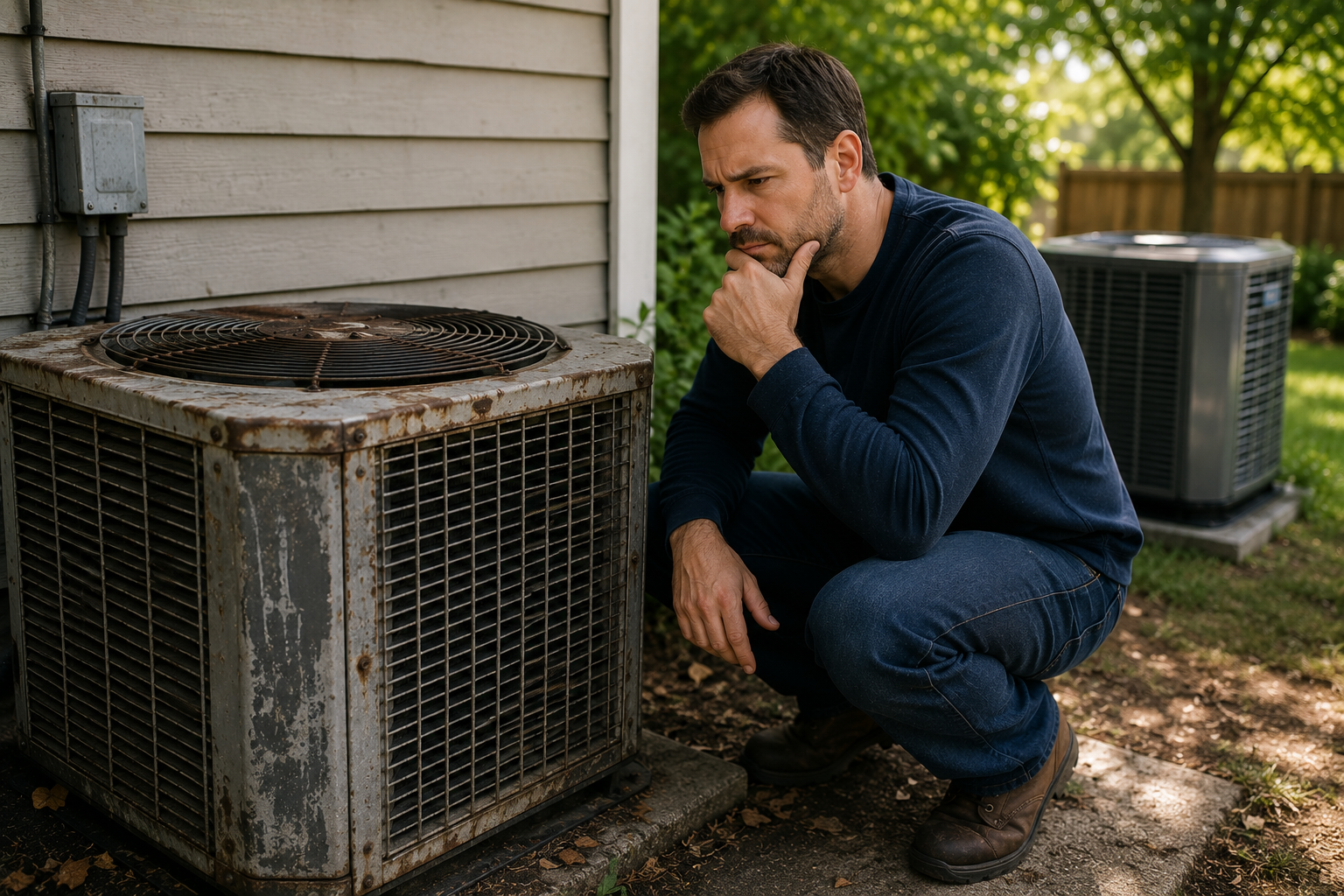
If the thermostat and filter are not the problem, the issue likely lies with the furnace’s mechanical or electrical components. While some of these can be identified by a homeowner, most will require professional attention. Nevertheless, understanding the potential problems can help you have a more informed conversation with a technician.
Pilot Light or Ignition System Failure
For your furnace to produce heat, it must ignite its fuel source (typically natural gas or oil). Older furnaces use a constantly lit pilot light, while modern systems use an electronic ignitor. If the pilot light has gone out, the furnace cannot light its burners and will not produce heat. Similarly, if the electronic ignition system fails, the same result occurs. The system’s safety controls will prevent gas from flowing without a flame, but the blower might still engage, circulating cold air. You might be able to relight a pilot light by following the instructions on the furnace panel, but ignition system failures require a professional furnace repair service.
Condensate Line Clogs
High-efficiency furnaces produce condensation as a byproduct of heating. This water is drained away through a condensate line. However, if this line becomes clogged with sludge or freezes, the water backs up. A safety switch detects the backup and shuts down the furnace to prevent water damage. This is a protective measure, but it means your furnace will stop heating until the clog is cleared. Clearing the line can sometimes be a DIY job, but it often requires professional tools and expertise.
When to Call for Professional Help
While it’s great to solve a problem yourself, safety should always be the top priority. Certain symptoms indicate a more serious issue that demands an expert’s attention. Furthermore, attempting complex repairs without proper training can be dangerous and may cause more damage to your system.
You should contact a qualified HVAC technician if you encounter any of the following situations:
- You have performed all the basic checks (thermostat, filter) and the problem persists.
- You smell gas or suspect a fuel leak. If you smell gas, leave your home immediately and call your utility company from a safe distance.
- The furnace is making loud, unusual noises like banging, scraping, or squealing.
- Your system is short-cycling, meaning it turns on and off rapidly without completing a full heating cycle.
- The diagnostic lights on your furnace control board are flashing an error code you don’t understand.
If you’ve run through the checklist and are still asking, ‘Why is my furnace blowing cold air?‘, it’s a clear sign that the problem is beyond a simple fix. In this case, delaying a professional call could lead to more significant damage. For older units, this could even be a sign that it’s time to consider a full furnace replacement.
Key Takeaways and Final Thoughts
Experiencing a furnace that blows cold air can be alarming, but the solution is often straightforward. Always start by checking your thermostat settings and your air filter, as these are the most common and easily fixed culprits. If those simple checks don’t restore your heat, the problem may be a failed ignition system or a clogged condensate line.
Ultimately, knowing when to step back and call a professional is crucial for your safety and the longevity of your HVAC system. For reliable diagnostics and repairs, it’s always best to trust an expert. For more information or to schedule a service, please contact us today. Don’t let a cold furnace leave you in the cold.
Related Posts