Does a larger home require a more expensive furnace? Yes. This guide breaks down why BTUs, efficiency, and correct sizing are crucial for your budget. Co...
What Happens During A Furnace Tune-Up?
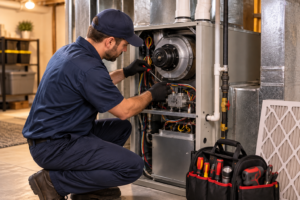 As the weather turns colder, your furnace becomes the unsung hero of your home. However, many homeowners only think about their heating system when it fails. To ensure reliable performance and safety, it’s crucial to understand what happens during a furnace tune-up and why it’s one of the most important maintenance tasks you can schedule. This preventative service goes far beyond a simple filter change, involving a detailed inspection and cleaning process that keeps your system running at peak efficiency.
A professional tune-up not only prepares your furnace for the demands of winter but also helps identify potential issues before they escalate into costly breakdowns. Furthermore, it ensures your system operates safely, protecting your family from risks like carbon monoxide leaks. This guide will walk you through the comprehensive steps a qualified technician takes during a service call.
Why is a Regular Furnace Tune-Up Important?
Scheduling an annual furnace tune-up is a proactive investment in your home’s comfort and safety. The benefits are significant and directly impact both your wallet and your peace of mind. For example, a well-maintained furnace operates more efficiently, consuming less fuel to heat your home, which translates to lower energy bills.
Additionally, regular service extends the lifespan of your equipment. Minor issues like loose electrical connections or a dirty burner can cause strain on the entire system, leading to premature failure. By addressing these small problems early, you can often delay the need for an expensive replacement. Finally, and most importantly, a tune-up includes critical safety checks that can detect gas leaks or dangerous levels of carbon monoxide, a colorless, odorless gas that can be fatal. This makes annual maintenance an essential part of responsible homeownership.
The Core Steps: What Happens During a Furnace Tune-Up?
A professional furnace tune-up is a systematic process designed to inspect, clean, and adjust every critical component of your heating system. While the exact checklist can vary slightly between providers, a comprehensive service always includes several key stages. Understanding these steps demystifies the process and highlights its value. Here’s a detailed breakdown of what you can expect.
1. Comprehensive Inspection and Safety Checks
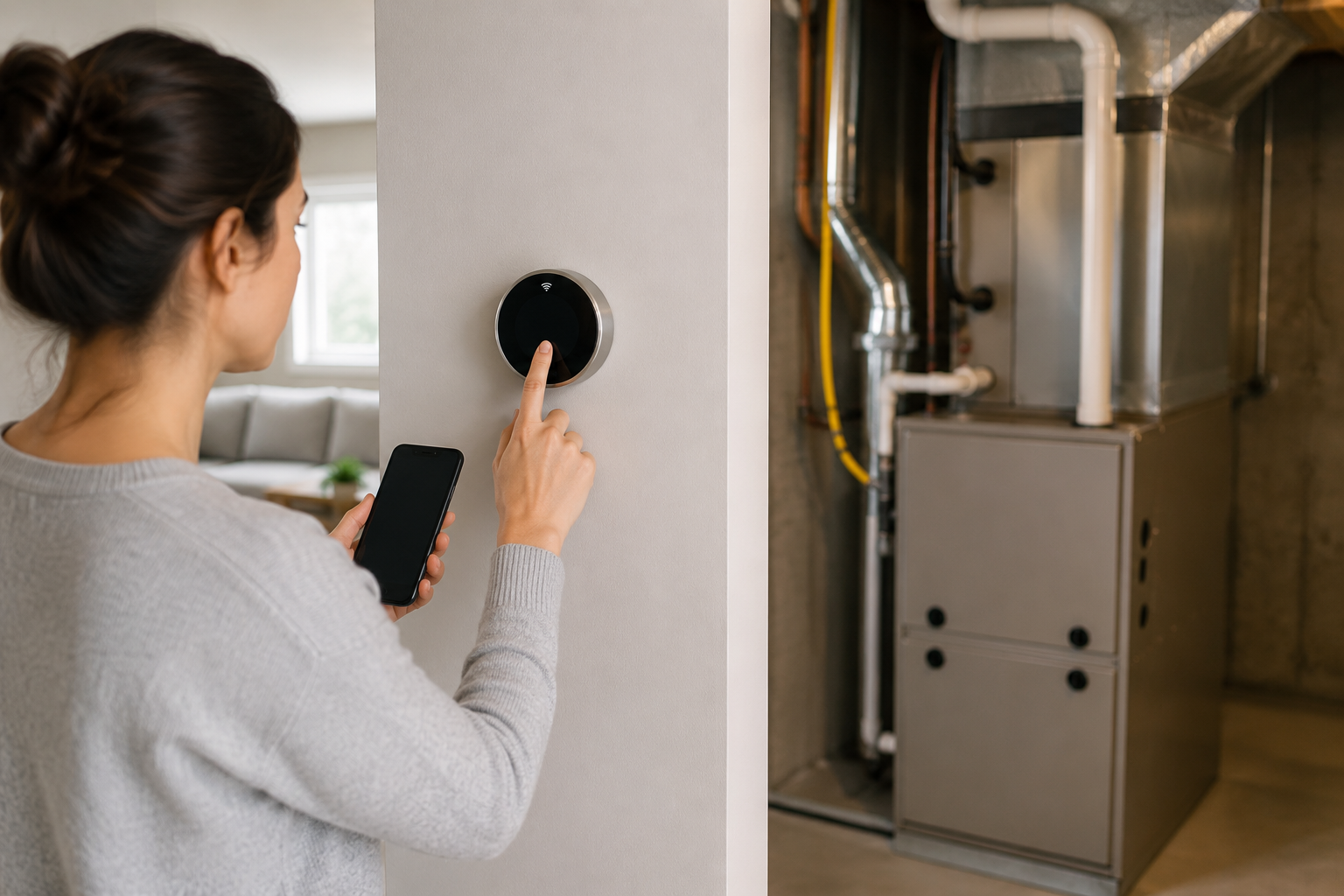
The service begins with a thorough visual inspection. A technician will check the thermostat to ensure it’s calibrated correctly and communicating properly with the furnace. Subsequently, they will inspect all accessible components, including the venting system, to ensure there are no blockages or leaks that could pose a safety hazard. This initial phase is critical for identifying obvious signs of wear or damage.
A crucial part of this stage is the carbon monoxide test. Using specialized equipment, the technician measures CO levels to confirm your furnace is operating safely. They will also check for any gas leaks around the unit and its connections, ensuring your fuel source is secure. This safety-first approach is a cornerstone of any professional tune-up.
2. Thorough Cleaning of Key Components
Over time, dust and debris accumulate inside your furnace, forcing it to work harder and reducing its efficiency. Therefore, a significant portion of the tune-up is dedicated to cleaning. The technician will meticulously clean several parts:
- Blower Motor and Assembly: The blower circulates heated air throughout your home. A clean blower operates more efficiently and improves airflow.
- Burners: Soot and corrosion on the burners can lead to incomplete combustion, reducing heat output and producing excess carbon monoxide. Cleaning them ensures a clean, efficient burn.
- Flame Sensor: This safety device shuts the furnace off if it doesn’t detect a flame. A dirty sensor can cause the furnace to cycle on and off unnecessarily or fail to start, a common reason for a furnace not turning on.
- Heat Exchanger: The technician will inspect the heat exchanger for cracks or corrosion. A damaged heat exchanger is a serious safety risk, as it can allow carbon monoxide to enter your home’s air supply.
3. Electrical and Mechanical Adjustments
After cleaning, the focus shifts to mechanical and electrical components. All electrical connections are checked and tightened, as loose wiring can be a fire hazard and cause component failure. Additionally, moving parts, such as the blower motor bearings, are lubricated to reduce friction and wear.
The technician will also inspect and adjust the fan belt for proper tension, if applicable. A belt that is too tight or too loose can damage the motor and fan. This part of the service ensures all mechanical parts are working in harmony, which is essential for both efficiency and longevity. Knowing what happens during a furnace tune-up helps you appreciate how these small adjustments prevent major problems like a furnace blowing cold air.
4. System Operation and Performance Testing
Once all inspections, cleaning, and adjustments are complete, the technician will start the furnace to observe a full heating cycle. They will monitor the startup and shutdown processes to ensure they are smooth and correct. During this test, they measure the amperage draw of the motors and check gas pressure to confirm it is within the manufacturer’s specifications.
This final test verifies that the tune-up was successful and the system is operating at peak performance. The technician will provide you with a detailed report of their findings, including any recommendations for repairs or parts that may need attention in the near future. This report is a valuable record of your furnace’s health. For more information on maintaining your system, the U.S. Department of Energy offers excellent resources for homeowners.
How Often Should You Schedule Service?
For optimal performance and safety, HVAC experts universally recommend scheduling a furnace tune-up once a year. The best time to do this is in the early fall, before the heating season begins. This timing ensures your system is ready for winter and allows you to schedule any necessary repairs without being left in the cold. An annual service is a small price to pay for the assurance that your furnace will run reliably all winter long.
Some homeowners wonder if this frequency is truly necessary, especially for newer systems. However, even new furnaces benefit from annual checks to maintain their warranty and efficiency. Understanding what happens during a furnace tune-up reinforces why this yearly maintenance, as detailed in guides on how often you should service your furnace, is so critical for every homeowner.
Key Takeaways for Your Next Furnace Service
In summary, a furnace tune-up is a comprehensive maintenance procedure that is vital for the efficiency, safety, and longevity of your heating system. It involves much more than a simple filter change, encompassing detailed inspections, deep cleaning of essential components, and precise mechanical adjustments. By investing in this annual service, you can lower your energy bills, prevent unexpected breakdowns, and protect your family from potential hazards.
Now that you know exactly what happens during a furnace tune-up, you can make an informed decision about your home’s maintenance. Don’t wait for a problem to arise. Be proactive and ensure your home stays warm and safe throughout the winter. If you’re ready to schedule your professional furnace service, contact us today to get an appointment with our certified technicians.
Related Posts