Wondering, 'Why is my furnace blowing cold air?' Explore common issues like thermostat settings, clogged filters, and pilot light problems. Get answers now!
Why Is My Furnace Not Turning On?
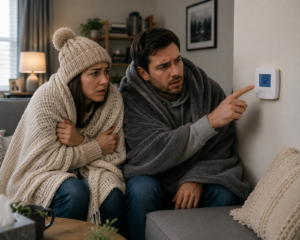 Waking up or coming home to a cold house is an unwelcome surprise, immediately prompting the question, Why is my furnace not turning on? Before you panic, it’s helpful to know that several common issues can cause this problem, and many have simple solutions you can handle yourself. However, some problems do require professional attention to ensure your safety and prevent further damage. This guide will walk you through the essential troubleshooting steps, from easy checks to identifying when it’s time to call in an expert. Consequently, you can make an informed decision about your next steps.
Is a Simple Fix All You Need? Initial Troubleshooting Steps
Before diving into the complex components of your furnace, start with the basics. Often, the solution is surprisingly simple and requires no special tools. Therefore, running through this checklist first can potentially save you time and the cost of a service call. You should systematically check each of these items.
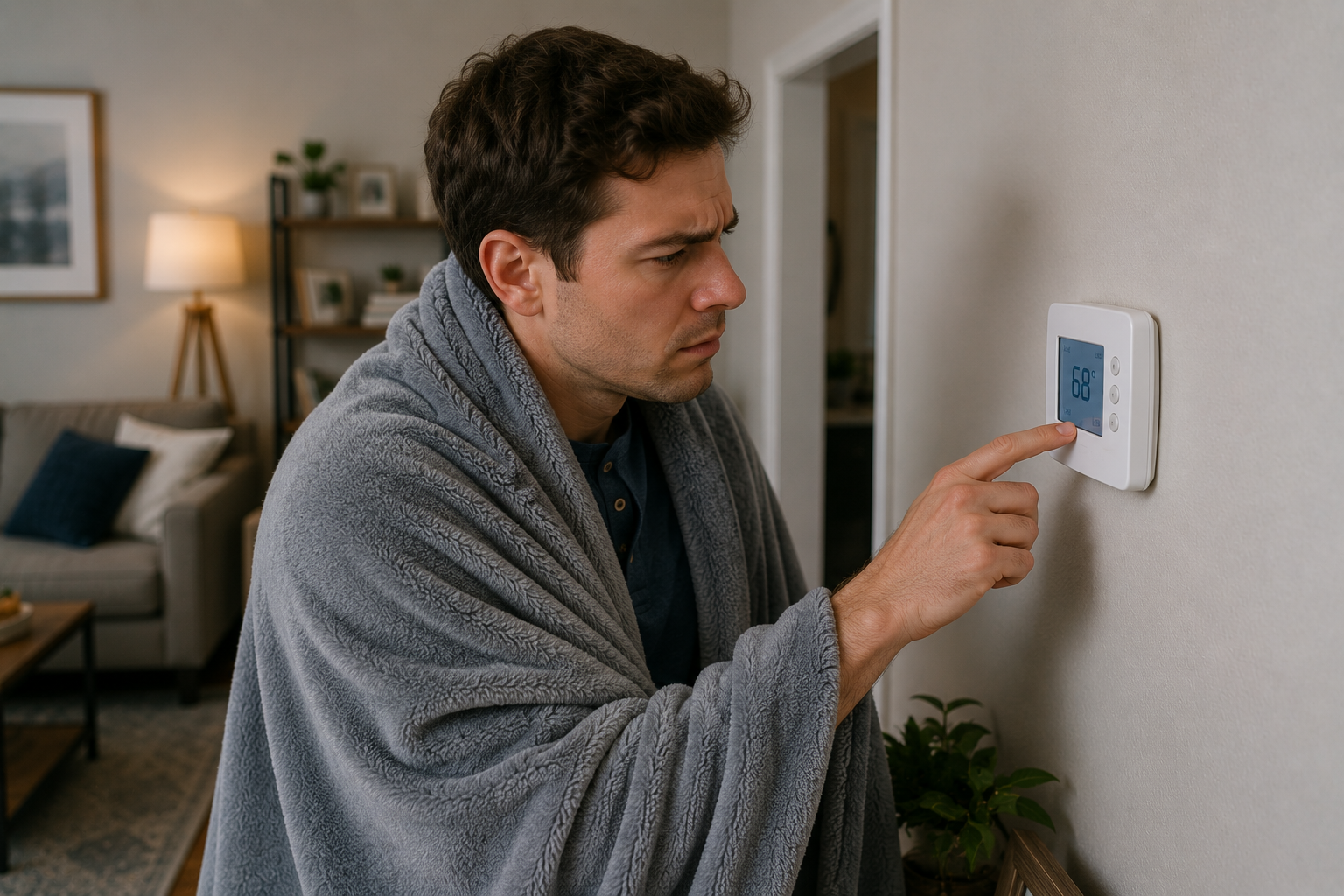
- Check Your Thermostat: This is the command center for your heating system. First, ensure it’s set to ‘Heat’ mode. Then, check that the temperature is set several degrees higher than the current room temperature. Furthermore, many digital thermostats are battery-powered; dead batteries are a frequent culprit. For more advanced issues, you might explore problems with your thermostat settings or battery life.
- Inspect the Circuit Breaker: Your furnace has its own circuit in your home’s electrical panel. A power surge or an overloaded circuit could have caused it to trip. Find your breaker box and look for the circuit labeled ‘Furnace,’ ‘Heater,’ or ‘HVAC.’ If it’s in the ‘Off’ position or in the middle, flip it completely off and then back on again.
- Verify the Furnace Power Switch: Most furnaces have a dedicated power switch located on or near the unit itself. It often looks like a standard light switch. It’s possible this switch was accidentally turned off during other maintenance or by someone mistaking it for a light. Ensure it is in the ‘On’ position.
- Confirm the Gas Valve is Open: If you have a gas furnace, it needs fuel to operate. The gas valve handle should be parallel (in line) with the gas pipe to be open. If it’s perpendicular, it’s closed, and no gas is flowing to the furnace.
Answering “Why is my furnace not turning on?” with Deeper Checks
If the initial checks didn’t resolve the issue, the problem likely lies within the furnace itself. While some of these issues are more complex, understanding them can help you diagnose the problem or, at the very least, provide valuable information to an HVAC technician. Importantly, you should proceed with caution when inspecting the internal components of your furnace.
Clogged Air Filters and Airflow Issues
A severely clogged air filter is one of the most common causes of furnace failure. When the filter is packed with dust and debris, it restricts airflow to the furnace. As a result, this can cause the heat exchanger to overheat, which in turn trips a high-limit safety switch, shutting the entire unit down. You should check your filter monthly and replace it every 1-3 months. This simple step is a cornerstone of regular HVAC system maintenance and is crucial for efficiency and longevity. According to the U.S. Department of Energy, this is a key part of maintaining your furnace or boiler properly.
Ignition or Pilot Light Problems
Your furnace needs a spark to ignite the gas and produce heat. Older furnaces use a standing pilot light—a small, constant flame—while newer models use an electronic ignition system. If the pilot light is out on an older model, the furnace won’t start. You can try relighting it following the manufacturer’s instructions, but if it won’t stay lit, there’s likely a problem with the thermocouple. For newer systems, a faulty hot surface ignitor or intermittent pilot ignition can prevent the burners from lighting. These components are more delicate and typically require a professional diagnosis.
Condensate Line Clogs
High-efficiency furnaces produce condensation as a byproduct of heating. This water is drained away through a condensate line. If this line becomes clogged with sludge or freezes during a cold snap, a safety switch will shut the furnace down to prevent water damage. You can sometimes clear a clog near the drain outlet yourself, but internal clogs may require professional tools.
When to Call a Professional for Furnace Repair
While DIY troubleshooting is valuable, some situations absolutely require professional expertise. Your safety is the top priority, and furnace systems involve high voltage and combustible fuel. If you’ve performed the basic checks and are still asking yourself, Why is my furnace not turning on?, it is time to call for help. Additionally, certain symptoms are clear indicators of a serious problem.
Specifically, you should contact an expert immediately if you notice any of the following:
- Strong smell of gas: If you smell natural gas, leave your home immediately and call your gas company from a safe distance. Do not operate any light switches or electronics.
- Loud or unusual noises: Banging, scraping, or high-pitched squealing can indicate serious mechanical failures, such as a broken motor or fan belt.
- Frequent cycling: If the furnace turns on and off every few minutes, it could be a sign of an overheating issue or a faulty thermostat.
- Error codes on the control board: Many modern furnaces have a small window where a blinking LED light flashes an error code. A technician can interpret this code to quickly diagnose the issue.
In these cases, a certified technician has the tools and training to safely diagnose and fix the problem. Attempting to repair these issues yourself can be dangerous and may lead to more extensive damage. For reliable diagnostics and solutions, it’s best to contact a professional furnace repair service. Sometimes, the issue might signal that the unit has reached the end of its lifespan, making it worth considering a full furnace replacement for better efficiency and reliability.
Final Thoughts on a Furnace That Won’t Start
Facing a furnace that won’t turn on can be stressful, especially during cold weather. However, by following a logical troubleshooting process, you can often identify and even fix the problem yourself. Always start with the simplest solutions, like checking the thermostat and circuit breaker, before moving on to more complex components like the air filter. This process helps you understand the root cause of why your furnace is not turning on. Finally, remember that safety is paramount. For any issue involving gas, electrical components, or strange noises, the smartest and safest move is to contact a qualified HVAC professional. Regular maintenance can prevent many of these issues from occurring in the first place, ensuring your home stays warm and comfortable all winter long. If you need expert assistance, don’t hesitate to reach out for help.
Related Posts