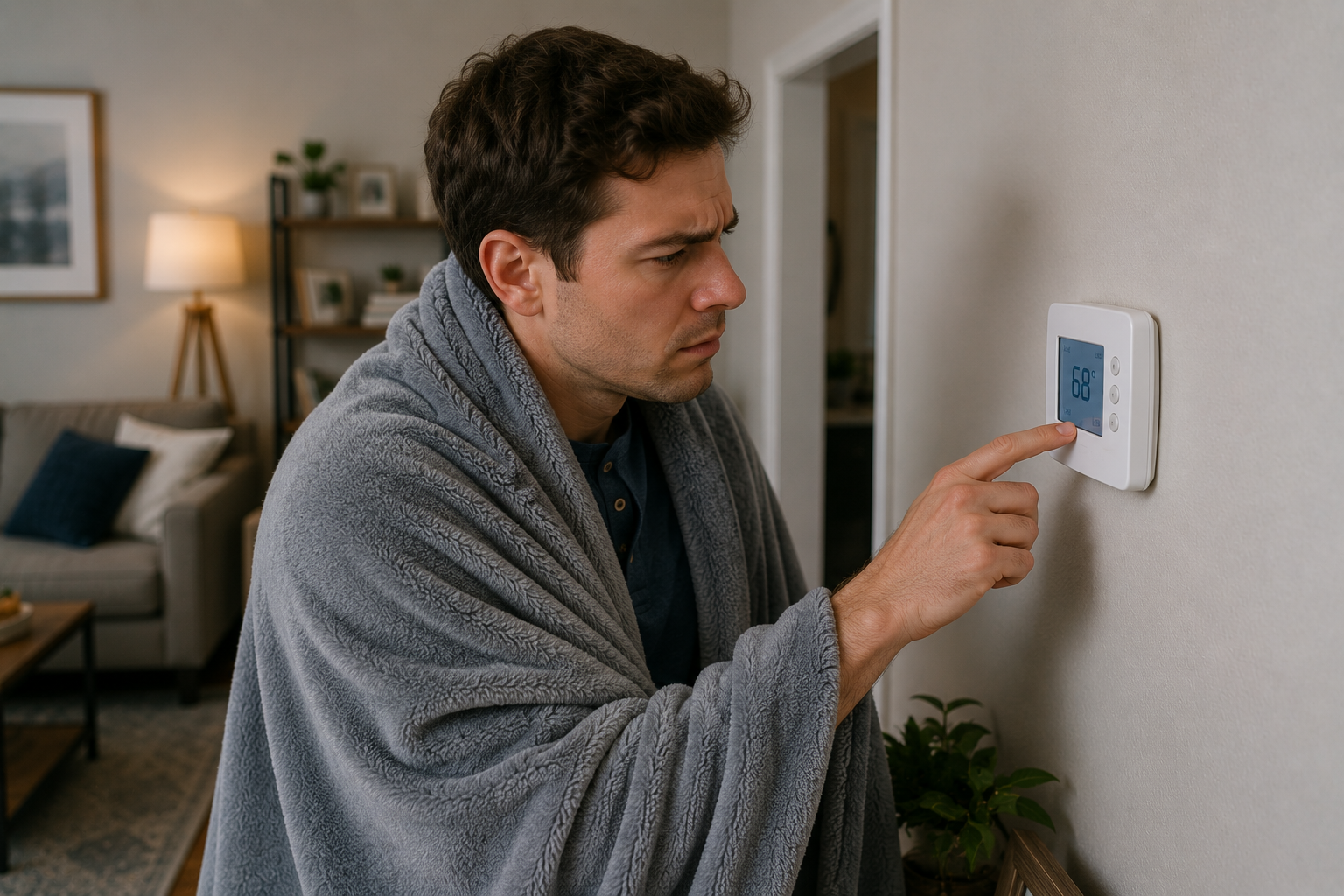
Wondering, 'Why is my furnace blowing cold air?' Explore common issues like thermostat settings, clogged filters, and pilot light problems. Get answers now!
What Does HVAC Stand For?
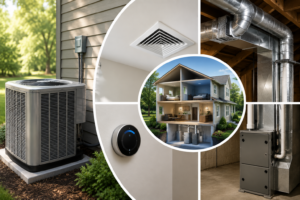 You’ve likely seen the letters on your thermostat or heard the term used by a technician, but have you ever stopped to ask, What does HVAC stand for? Simply put, HVAC stands for Heating, Ventilation, and Air Conditioning. This system is the heart of your home’s climate control, working tirelessly behind the scenes to ensure your comfort year-round. Understanding its components is the first step toward maintaining an efficient and healthy home environment. Consequently, a little knowledge can save you significant money on energy bills and repairs.
Breaking Down the Acronym: What Does HVAC Stand For?
The term HVAC isn’t just a single appliance but a complex, interconnected system. Each part plays a distinct and crucial role in managing your indoor climate. Therefore, let’s explore what each letter represents and how it contributes to your overall comfort.
H is for Heating
The heating component of your HVAC system is responsible for keeping your home warm during colder months. For most homeowners, this involves a furnace or a boiler. Furnaces heat air that is then distributed throughout the house via ductwork. Boilers, in contrast, heat water to create steam or hot water that travels through pipes to radiators. Additionally, modern heat pumps are an increasingly popular option, as they can both heat and cool your home by moving heat rather than generating it. Proper maintenance of your heating system is essential for safety and efficiency.
V is for Ventilation
Ventilation is the unsung hero of the HVAC world. It is the process of replacing or exchanging air within a space to improve indoor air quality. This involves removing moisture, smoke, odors, heat, dust, airborne bacteria, and carbon dioxide, while also replenishing oxygen. A proper ventilation system, which includes your home’s ductwork and vents, ensures that stale air is cycled out and fresh, filtered air is brought in. As a result, this process is vital for both your health and the structural integrity of your home.
AC is for Air Conditioning
The air conditioning component does more than just cool the air; it also helps to dehumidify it. Using a chemical refrigerant, the system pulls heat out of your indoor air and transfers it outside, leaving you with a cooler and more comfortable living space. This process is critical during hot and humid summer months. From central air conditioning units to ductless mini-splits, the ‘AC’ part of your HVAC is a key player in achieving total home comfort.
Why is a Properly Functioning HVAC System Important?
A well-maintained HVAC system provides more than just a comfortable temperature. Its benefits extend to your health, your wallet, and your peace of mind. Neglecting this system can lead to poor air quality, inefficient performance, and costly breakdowns. Importantly, understanding its value can motivate you to keep it in top shape.
- Consistent Comfort: A properly functioning system maintains a steady and comfortable temperature throughout your home, eliminating hot or cold spots.
- Improved Air Quality: Through filtration and ventilation, your HVAC system removes pollutants, allergens, and other contaminants from the air you breathe.
- Energy Efficiency: According to the U.S. Department of Energy, heating and cooling account for about half of a typical home’s energy usage. An efficient system, therefore, can significantly lower your utility bills. You can learn more about this from authoritative sources like Energy.gov.
- Humidity Control: Proper air conditioning helps manage indoor humidity levels, which can prevent mold growth and protect your home’s wooden furnishings.
Common Types of HVAC Systems
While the principles are the same, HVAC systems come in several configurations. The most common type is the split system, which features an outdoor unit (containing the condenser and compressor) and an indoor unit (like a furnace or air handler). However, other options exist for different needs. For homeowners still wondering what does HVAC stand for in a practical sense, knowing your system type is key. Ductless mini-split systems, for example, are great for homes without existing ductwork. Meanwhile, packaged systems contain all components in a single outdoor unit, often placed on a roof or next to the foundation.
Final Thoughts on Your HVAC System
Now that you can confidently answer the question, “What does HVAC stand for?“, you can better appreciate the complex system keeping your home comfortable. From the warmth of the furnace to the fresh air from ventilation and the cool relief of the air conditioner, each component works in harmony. Furthermore, regular maintenance is the key to ensuring all these parts function efficiently and reliably for years to come. If you have questions about your system or need professional service, don’t hesitate to reach out. For expert assistance with all your heating and cooling needs, contact our team today!
Related Posts