Ever wonder what happens during a furnace tune-up? This guide covers the full checklist, from inspection to cleaning, ensuring your system runs efficient...
Why Did My Furnace Stop Working Suddenly?
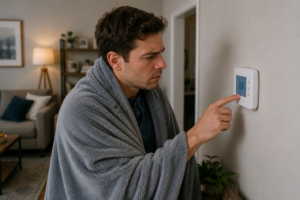 The sudden silence of a furnace on a cold day is an unwelcome surprise for any homeowner. If you’re left in the chill asking, Why did my furnace stop working suddenly?, you’re not alone. Fortunately, not every furnace failure is a catastrophe. Many common issues can be identified and even resolved with some basic troubleshooting. This guide will walk you through the initial checks, explain the most frequent culprits, and help you determine when it’s time to call in a professional. Consequently, you can make an informed decision to restore warmth to your home quickly and safely.
Initial Troubleshooting Steps You Can Take
Before panicking, there are several simple checks you can perform that might solve the problem right away. These steps address the most common and easily fixable reasons for a furnace shutdown. Importantly, always prioritize your safety; if you smell gas, leave the house immediately and call your gas company and a qualified HVAC technician.
- Check the Thermostat: It may seem obvious, but ensure your thermostat is set to ‘heat’ and the temperature is set several degrees higher than the current room temperature. Additionally, check if the thermostat’s batteries need replacing.
- Inspect the Circuit Breaker: Your furnace has its own circuit in your home’s electrical panel. Find the panel and check if the breaker labeled ‘furnace’ or ‘HVAC’ has been tripped. If it’s in the middle or ‘off’ position, flip it firmly to ‘off’ and then back to ‘on’.
- Verify the Furnace Power Switch: Most furnaces have a power switch that looks like a standard light switch located on or near the unit itself. Ensure this switch is in the ‘on’ position, as it can sometimes be turned off by mistake.
- Examine the Air Filter: A severely clogged air filter can restrict airflow, causing the furnace to overheat and trigger a safety shutoff. Pull out your filter and hold it up to a light. If you can’t see light through it, it’s time for a replacement.
Common Culprits: A Deeper Dive
If the initial checks don’t resolve the issue, the problem likely lies with a specific component within the furnace system. Understanding these parts can provide more clarity. For example, a system that tries to start but fails is very different from one that is completely silent.
Thermostat and Power Issues
Beyond dead batteries, a thermostat can malfunction internally, failing to send the correct signals to the furnace. Similarly, faulty wiring between the thermostat and the furnace can interrupt communication. A tripped breaker that won’t reset indicates a deeper electrical problem that requires professional diagnosis. Therefore, repeated electrical issues should never be ignored.
Clogged Air Filters
A dirty air filter is one of the most frequent causes of furnace problems. Over time, it forces the blower motor to work harder, which can lead to overheating and component failure. Furthermore, restricted airflow reduces your home’s comfort and air quality. As a rule of thumb, you should check your filter monthly and replace it every 1-3 months. Consistent filter changes are a key part of any regular HVAC maintenance plan.
Pilot Light or Ignition System Failure
Older furnaces use a standing pilot light, a small, continuous flame that ignites the main burners. If this flame goes out, the furnace won’t produce heat. Modern furnaces, in contrast, use electronic ignition systems. These systems can fail due to a faulty ignitor or a dirty flame sensor. A flame sensor’s job is to confirm a flame is present; if it’s dirty, it can’t detect the flame and will shut the system down as a safety precaution.
What Are the Signs of a More Serious Problem?
How can you tell if you’re dealing with a simple fix or a major component failure? Certain symptoms strongly suggest it’s time to stop troubleshooting and call for a professional furnace repair service. For instance, loud banging, scraping, or screeching noises indicate mechanical problems with the blower motor or other moving parts. Another serious sign is a burning smell or the scent of rotten eggs, which could indicate an electrical issue or a dangerous gas leak. If your furnace cycles on and off rapidly without reaching the set temperature, it could be a sign of an overheating heat exchanger or a faulty sensor.
Why Did My Furnace Stop Working Suddenly? Understanding Complex Issues
Sometimes, the answer to the question, Why did my furnace stop working suddenly?, involves more complex internal components. A malfunctioning blower motor, for example, means that even if the furnace creates heat, there’s no way to circulate it through your home. Another critical and potentially dangerous issue is a cracked heat exchanger. This component separates combustion gases from the air you breathe. A crack could allow carbon monoxide to leak into your home. For this reason, furnaces are equipped with safety sensors that will shut the unit down if they detect a problem. These complex issues are not DIY repairs and require the tools and expertise of a certified technician.
Key Takeaways for Furnace Troubleshooting
When your heat goes out, a methodical approach can save you time and worry. Remember to start with the simplest solutions first, like checking the thermostat and breaker. However, you must also recognize the signs of a serious problem that demands professional attention. The best way to avoid asking “Why did my furnace stop working suddenly?” in the first place is through preventative care. Annual inspections can catch failing parts before they leave you in the cold and can even identify the need for a full furnace replacement before a catastrophic failure. If you’ve run through the basic checks and are still without heat, don’t hesitate. Contact us for immediate assistance to get your system running safely and efficiently.
Related Posts